
Charging power main influencer of battery health
News
13 Jan 2026
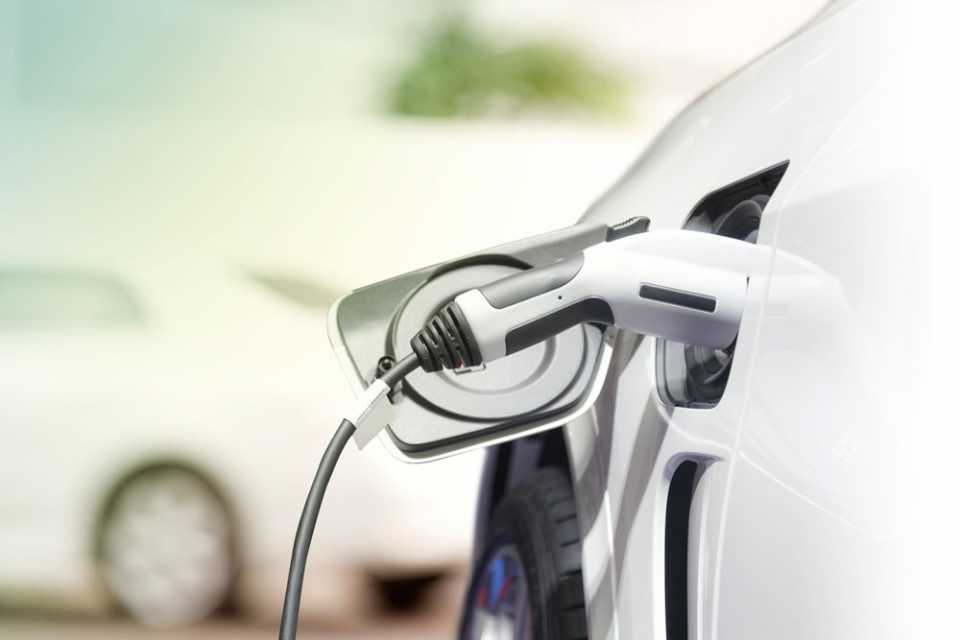
Updated electric vehicle (EV) battery health data from Geotab reveals how batteries age under different charging, climate, and utilisation conditions.
The updated analysis shows an average annual battery degradation rate of 2.3%, compared to 1.8% in Geotab’s 2024 findings.
The increase reflects changes in how EVs are being used, most notably a growing reliance on high-power DC fast charging.
The analysis shows that charging power is now the strongest operational influence on EV battery health. Vehicles that relied heavily on DC fast charging above 100 kW experienced faster degradation, averaging up to 3.0% per year, compared with around 1.5% for vehicles that primarily used AC or lower-power charging.
Other factors, such as climate, showed a smaller independent effect. Vehicles operating in hotter regions degraded around 0.4% faster per year than those in mild climates.
By understanding how batteries age under different charging, climate, and utilisation conditions, operators can better manage EV performance, protect battery health, and make more informed decisions about vehicle deployment and charging strategy over the life of the vehicle.
“EV battery health remains strong, even as vehicles are charged faster and deployed more intensively,” said Charlotte Argue, Senior Manager, Sustainable Mobility at Geotab. “Our latest data shows that batteries are still lasting well beyond the replacement cycles most fleets plan for. What has changed is that charging behaviour now plays a much bigger role in how quickly batteries age, giving operators an opportunity to manage long-term risk through smart charging strategies.”
The data also challenges the need for strict day-to-day charging constraints. Vehicles that regularly used a wider state-of-charge range did not show meaningfully higher degradation unless they spent prolonged, habitual periods near full or near empty charge levels.
Higher-use vehicles showed slightly faster degradation, increasing by around 0.8% per year compared to the lowest-use group, but this is an acceptable tradeoff relative to the operational and cost benefits gained from keeping vehicles in service. For many fleets, these productivity gains directly translate into a lower cost per mile over the vehicle’s life.
“For fleets, the focus should be balance,” Argue added. “Using the lowest charging power that still meets operational needs can make a measurable difference to long-term battery health without limiting vehicle availability.”
Battery degradation is a natural process that reduces the amount of energy a battery can store over time.
Battery condition is measured as state of health (SOH). Batteries begin their life at 100% SOH and deteriorate gradually. For example, a 60 kWh battery operating at 80% SOH effectively behaves like a 48 kWh battery.
Geotab’s data shows that while degradation rates vary by model, charging behaviour, and usage patterns, the majority of modern EV batteries remain fit for purpose well beyond typical ownership and fleet replacement timelines.
News

12 Dec 2025
Global Women in EV Day to launch next year
10 Dec 2025