Company and industry bodies across the UK’s EV charging sector have united in calls for clear and consistent EV signage.
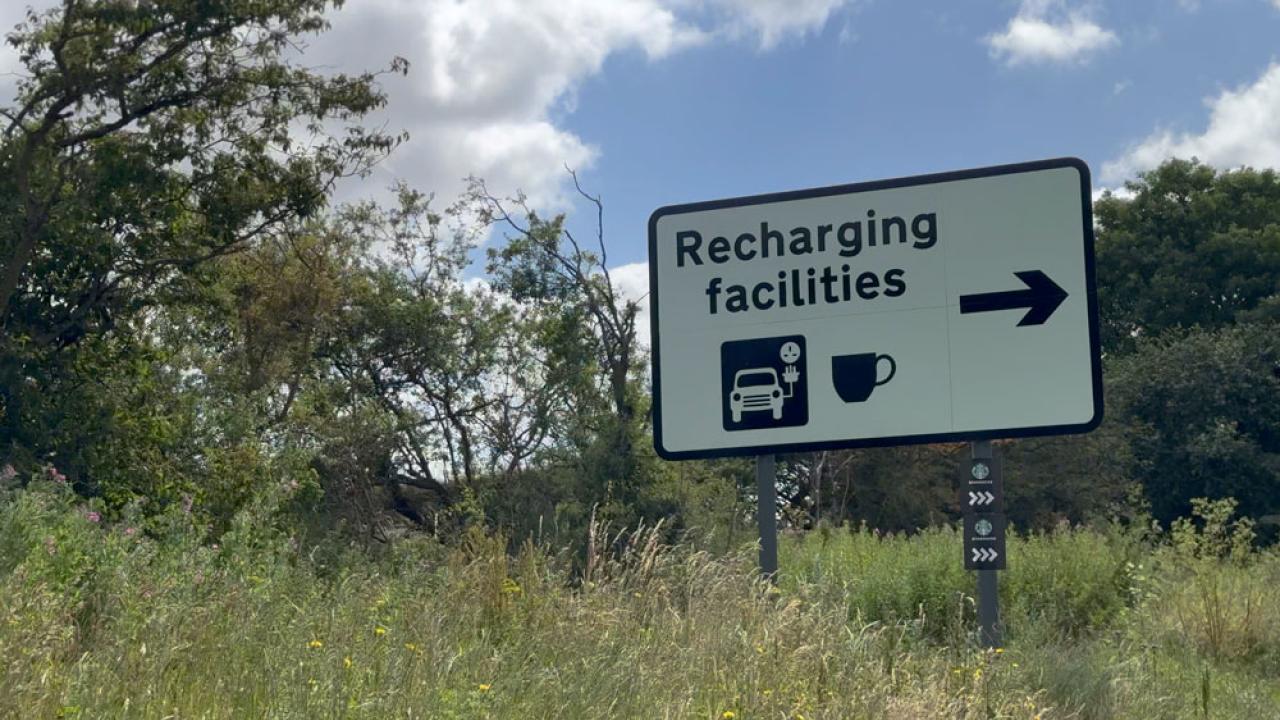
In a coordinated response to OZEV’s new call for evidence on the matter, InstaVolt, char.gy, Electric Vehicles UK and Octopus Electric Vehicles are calling for EV charging to be treated on an equal footing with petrol in national road sign regulations, and for clear, consistent signage to be rolled out across motorways, A-roads and residential streets.
InstaVolt’s 2025 consumer polling found that over half of drivers actively look for roadside signs to find EV chargers, and nearly nine in ten say clear physical signage is important to them.
Delvin Lane, CEO of InstaVolt, said: “We welcome OZEV’s call for evidence on EV signage as a really positive step towards
fixing one of the most overlooked barriers to EV uptake.
"Right now, EV charging locations are treated very differently to petrol stations in the rules that govern road signs. That means thousands of high-quality public chargers are installed, operating, but not obviously signposted from key routes. If we want drivers to feel confident going electric, that has to change."
InstaVolt will be responding to the call for evidence and urging government, National Highways and local authorities to put EV charging on an equal footing with fuel in the road sign regulations, and roll out clear, consistent symbols and pre-signs for chargers on motorways, Aroads and key urban routes. They will also ask that it is made simpler for councils to add EV charging to existing direction signs where hubs already exist.
On-street charging network char.gy is urging government to ensure the review explicitly covers wayfinding to residential, lamppost and kerbside charge points, not just rapid chargers on main roads.
char.gy highlights that while on-street and lamppost chargers are already bringing convenient, affordable charging to thousands of residential streets across the UK, they are too often effectively “hidden in plain sight”. Many drivers may live within a few minutes’ walk of reliable public charging but have no idea it exists.
John Lewis, CEO of char.gy, said: “We would urge government and local authorities to treat EV signage, including
wayfinding to on-street and lamppost charge points, as critical infrastructure. Clear, consistent signage can make home-adjacent charging visible to residents who don’t have off-street parking, helping them understand that switching to an EV is realistic for them.
"It can also reduce anxiety and confusion for new and prospective EV drivers by showing, at a glance, that charging is available on ordinary streets, not just at retail parks and motorways."
Tanya Sinclair, CEO of Electric Vehicles UK, said: “Drivers cannot use infrastructure they cannot see. If we are serious about confidence in the EV transition, charging must be signposted as clearly and consistently as petrol. This
is not a technology issue. It is a visibility issue, and if we can fix it, we will bring confidence to current and future EV drivers.”
Fiona Howarth, Founder and Director of Octopus Electric Vehicles, said: “Households with driveways can cut petrol costs by up to 80% by going electric. Now we need to make sure everyone can share those savings by clearly signposting low cost kerbside charging. With pay per mile tax expected in two years, government has a real opportunity to make charging simple, visible, and affordable on every street. If we get that right, more drivers can get their hands on EVs and discover just how great they are.”