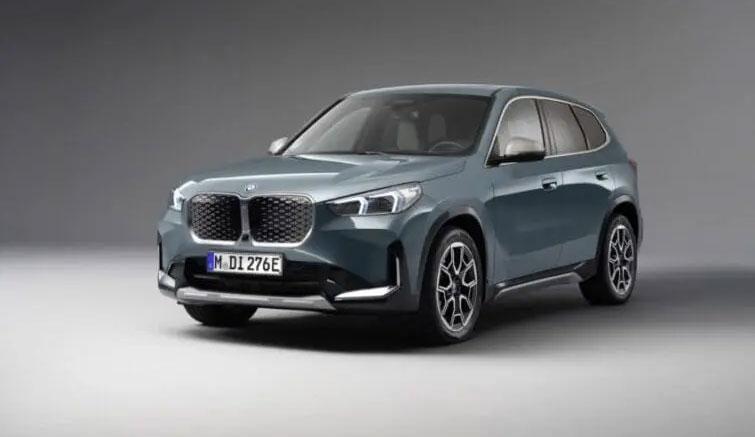
The 2026 El Prix winter test in Norway has concluded, testing 24 electric vehicles in temperatures are low as -32°C.
The event was led by FIA member Norges Automobil-Forbund (NAF), in collaboration with Motor.
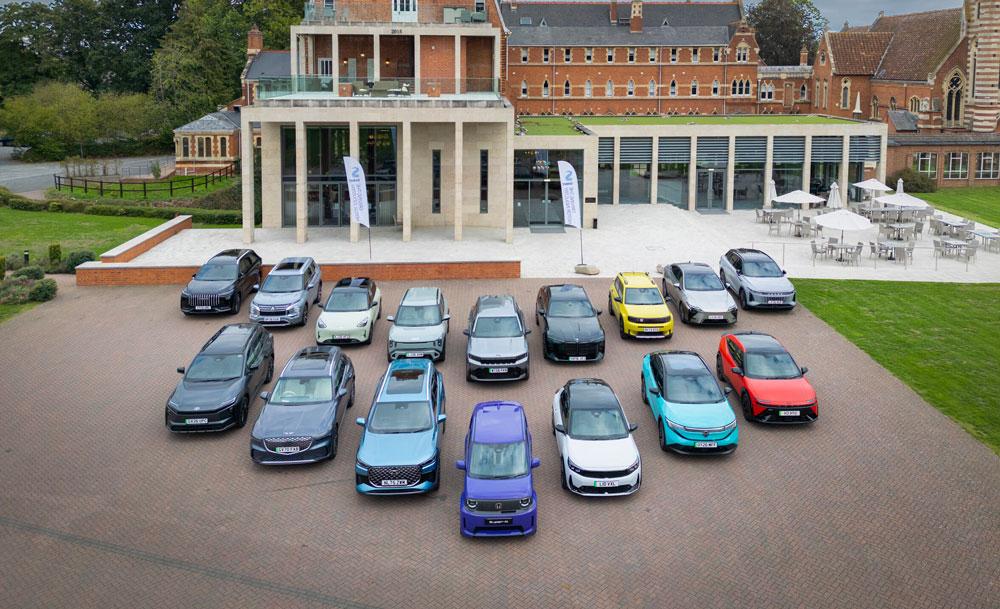
Held over two days in January in Folldal, the El Prix is recognised as the world’s largest independent real-world test of electric vehicles (EVs). This year, 24 of the newest EV models available on the Norwegian market were put through their paces in temperatures as low as -32°C. Models tested included the Audi A6 Avant, Ford Capri, Mercedes-Benz CLA and Tesla Model Y.
The extreme cold had a significant impact on driving range. On average, vehicles recorded a 38% reduction compared with their official Worldwide Harmonised Light Vehicle Test Procedure (WLTP) figures. Despite this drop, most cars remained reliable and comfortable, keeping drivers warm in harsh conditions and reporting few technical problems.
The test also showed that when drivers used battery preconditioning before charging, many vehicles were able to come close to their stated charging times from 10% to 80% capacity.
The findings come as the World Meteorological Organization has warned that this winter “could be the longest duration of cold in several decades,” highlighting the importance of understanding EV performance in low temperatures.
Tor Arne Litlere, NAF President said: “El Prix provides motorists with invaluable data and insight into how EVs truly perform when tested to their limit in the harshest Nordic conditions.
"Situation based knowledge about the deviations from WLTP range is a true value for members and road users from these tests.”
Willem Groenewald, FIA Secretary General for Automobile Mobility and Sustainability said: "The future of mobility is constantly changing. Providing consumers with essential data on new technologies, such as improved performance of EVs is key for shaping selection and choice for road users.
"It is also testament to the adaptability of manufacturers to drive innovation forward to the ultimate benefit of consumers, not only in battery improvements but also in terms of safety standards."
While the results show that extreme cold temperatures have a negative impact on EV range, NAF have suggested that, with proper preparation and a robust charging infrastructure, electric mobility could remain a viable mobility solution in colder regions.