The Chancellor has been urged to make use of the Autumn Budget to accelerate investment in cleaner transport, making electricity more affordable and accessible for businesses investing in electrification and sustainable transport solutions, while maintaining existing support to help operators manage rising fuel costs.
Ahead of the budget on Wednesday, The Chartered Institute of Logistics and Transport (CILT (UK)) is warning that rising fuel and electricity costs are putting pressure on transport operators, logistics businesses and supply chains.
CILT (UK) is calling for measures to control costs, keep goods moving and support investment in sustainable transport, helping the sector transition to cleaner and more resilient operations.
The Institute is arguing that fuel remains a major cost for road freight, logistics and delivery companies and rising prices are already putting pressure on the sector. They also said that maintaining the existing 5p-per-litre fuel duty cut remains an important consideration while oil prices are high, as any reduction in this support could add to the financial pressures operators are already facing.
Meanwhile, high electricity costs and limited grid connections make investment in electric vehicles, charging facilities and electric rail services more challenging.
Some electrified rail routes also currently lack sufficient power to operate all the services that could potentially use them, meaning some freight trains still have to rely on diesel.
Daniel Parker-Klein, Director of Policy and Communications at CILT (UK), said: “Fuel costs are not just a concern for motorists. They directly affect the cost of keeping supply chains and public transport moving. The sector is already feeling the strain of rising costs, and maintaining the existing 5p fuel duty cut is an important consideration while world oil prices remain high. But we also need to look beyond immediate cost pressures and ensure businesses have the confidence and practical support to invest in cleaner transport.
“The Government should increase support for the electrification of freight transport, across both road and rail, and address the barriers that make the transition more difficult. This includes supporting short-sea ferries and ensuring ports have the affordable electricity and reliable grid connections needed to provide shore power to vessels at berth. The Autumn Budget is an opportunity to provide practical support for cleaner transport while recognising the essential role logistics play in the UK economy.
“European countries are already using lower electricity taxes to encourage the uptake of electric transport. The UK should learn from these approaches to make plugging in more attractive and support the shift towards cleaner transport across road, rail and maritime sectors. Businesses need the right conditions to invest, including affordable electricity, reliable grid connections and infrastructure that supports the transition.”
The Institute is calling on the Chancellor to make electricity more affordable by reviewing taxes and levies affecting businesses using or investing in electric commercial vehicles, rail equipment and maritime electrification, helping make cleaner transport a more viable investment.
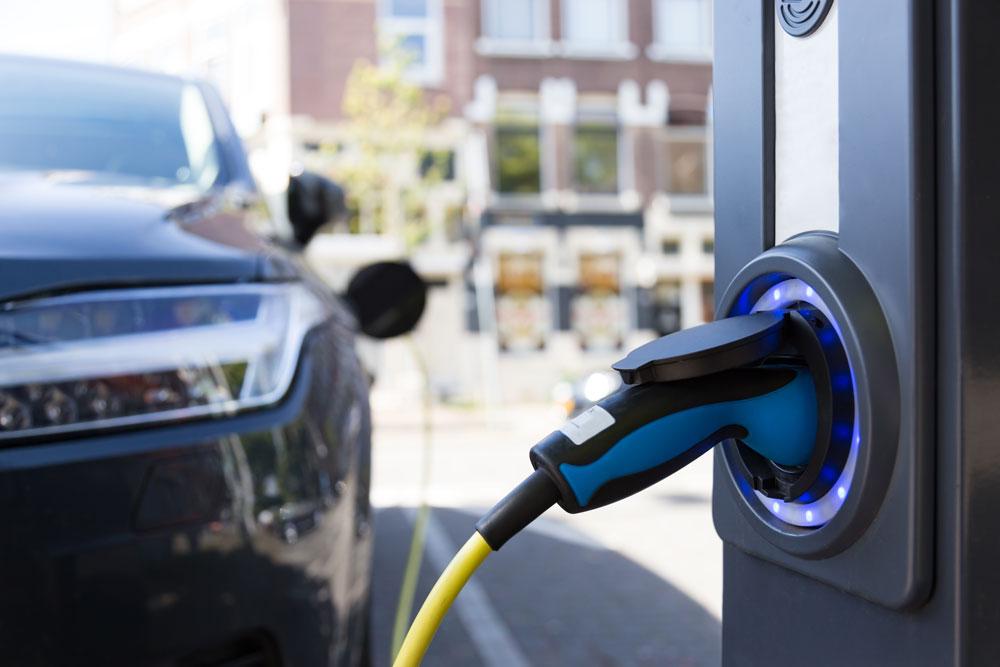
They have asked for improved access to the electricity grid to expand vehicle charging infrastructure, strengthen power supplies to the rail network and provide shore power for ships and short-sea ferries.
CILT have called for accelerated investment in cleaner transport, by supporting the electrification of road and rail freight, alongside short-sea ferry services and shore power infrastructure at ports and removing practical barriers that prevent businesses from adopting lower-emission alternatives.
They also want to maintain the existing 5p-per-litre fuel duty cut in the short term while world oil prices remain high, recognising that transport-dependent businesses are already under pressure from rising fuel costs and that removing this support could intensify those pressures.
Parker-Klein added: “We urge the Chancellor to recognise the essential role logistics play in the UK economy when making decisions in the Autumn Budget. The sector needs support to manage the cost pressures it faces today, but we must also look ahead. Making electricity more affordable, improving grid access and investing in the infrastructure needed for cleaner transport will help businesses make the transition to more sustainable operations. The Government must ensure that businesses have the confidence and practical support to invest in cleaner options for the future.”