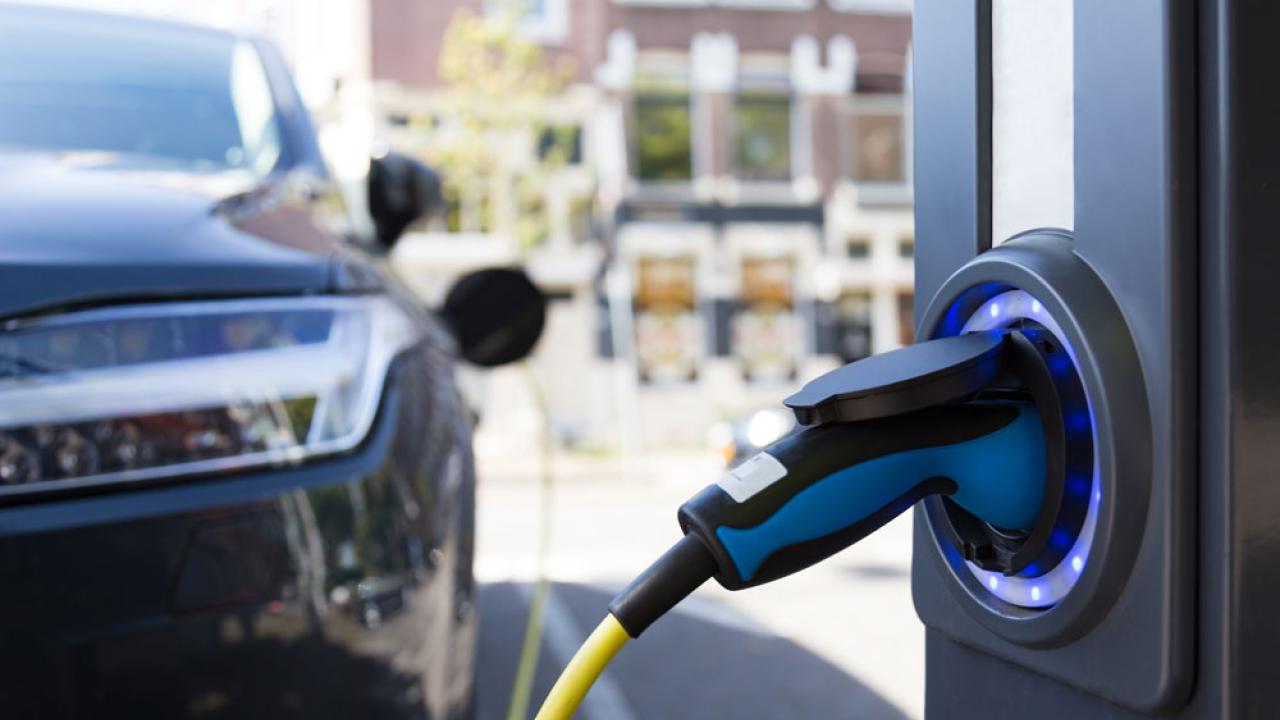
The government has launched a consultation on the Zero Emission Vehicle (ZEV) Mandate aimed at ensuring it remains fair for industry, continues to drive growth, is responsive to global markets, and delivers choice for consumers.
The current mandate states that new petrol and diesel cars are to be phased out by 2030, and all new cars and vans will need to be fully zero emission by 2035.
The consultation asks for views on how the UK gets there and whether the existing annual targets for manufacturers remain appropriate, taking into consideration challenging and complex global economic conditions, including supply chain disruption and tariff and trade uncertainty.
Transport Secretary, Heidi Alexander said: "The UK EV market is strong - sales are up, British manufacturers and charge point operators are investing billions, alongside our backing of £7.5bn, including our Electric Car Grant that has helped over 160,000 people make the switch.
"It’s right we keep targets under review to ensure they're practical and back British industry. The end goal hasn't changed – but we need to take business with us on the journey, and that’s exactly what we’re doing today, by making sure industry has the chance to shape how we get there."
Mike Hawes, SMMT Chief Executive, said: “The automotive industry is fully committed to a zero-emission future, investing billions in new technologies, products and incentives. However, with the ZEV Mandate conceived under vastly different conditions, this welcome review is a timely opportunity to adjust the transition so it works for all. That means a commercially sustainable transition which supports UK competitiveness, investment and jobs whilst delivering greater choice and affordability for motorists – the sooner, the better.”
Toby Poston, Chief Executive of the BVRLA, said: "Today's consultation on the ZEV Mandate provides a vital opportunity to take stock of the UK's transition to zero emission vehicles. BVRLA members have already invested more than £36 billion in 750,000 electric vehicles and have been the driving force behind the UK's shift to electric mobility. We will engage fully with this consultation, representing members from across the sector and ensuring Government understands where policy is working, where greater support is needed, and how we can keep the transition moving with confidence.”
Delvin Lane, CEO, InstaVolt, said: “Ultra-rapid charging investment doesn’t happen on the back of uncertainty. We’ve invested hundreds of millions of pounds into the UK’s charging network because government policy gave us a clear runway to plan against. Softening the mandate at this stage risks spooking exactly the private capital that’s been building the infrastructure this transition depends on.
“Meanwhile, hundreds of thousands of drivers are choosing to go electric. The numbers back this up: BEVs made up 27% of new car registrations in July, up 49% year-on-year, and staying above the ZEV Mandate trajectory for a second month running. OEMs need to recognise that this demand is real and seize it, or risk watching competitors take the opportunity they’re hesitating over.”
Tanya Sinclair, CEO of Electric Vehicles UK, said: “There is a remarkable cognitive dissonance in a government who is asking whether we should extend the availability of polluting vehicles amid our hottest summer on record.
“It hasn’t rained for weeks, our ground is parched, air quality is poor. Electric vehicles are the most powerful public health and climate change intervention we have to mitigate these changes, as much as we’re able.
“And to top it off, they are cheaper to buy and drive, and fantastically equipped with the latest tech. It’s all upside, so why isn’t this government doing everything in its power to enable their uptake?”
Gurjeet Grewal, CEO, Octopus Electric Vehicles, said: “The ZEV mandate is working – giving manufacturers confidence to invest and drivers confidence to switch. Weakening it now would send exactly the wrong signal, just as EVs are becoming some of the best-value cars on the road.
“Carbon Brief estimates weaker targets could cost consumers £3bn a year in expensive petrol by 2030. We should be accelerating the transition, not creating another policy wobble that leaves drivers, businesses and the UK economy paying the price.”
Ben Fletcher, Chief Executive of business group Logistics UK said: “The commercial vehicle market works differently from the car market, and van uptake continues to run behind trajectory, largely because of practical barriers around grid connections, public charging that suits larger vehicles and costs. Getting those enablers right matters as much as the targets themselves. We’ll be consulting members over the coming weeks and responding in full.”
The consultation will run until 23 October.