New figures from the SMMT reveal a slowdown in demand for fully electric vans in March.
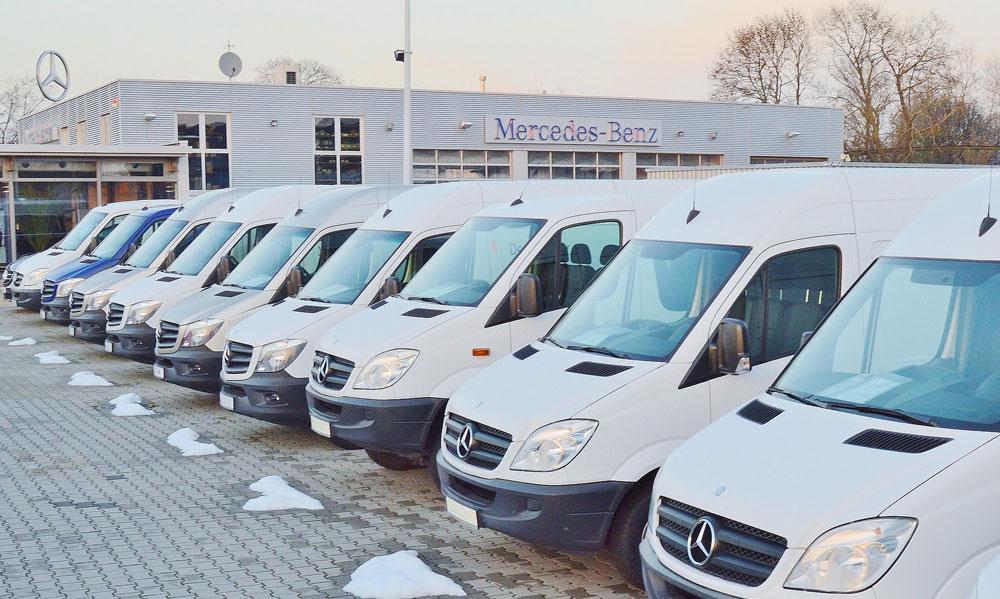
Registrations of battery electric vans fell by 15.9% in March, with just 3,543 units recorded. This left electric vans with a 7.1% market share - the lowest level since September 2024 - while diesel models continued to dominate, making up more than 85% of new light commercial vehicle (LCV) registrations.
Although demand for electric vans rose slightly—by 4.3%—over the first quarter of 2026, they still accounted for only 9% of the market. This remains far below the 24% share targeted for the year under current mandates.
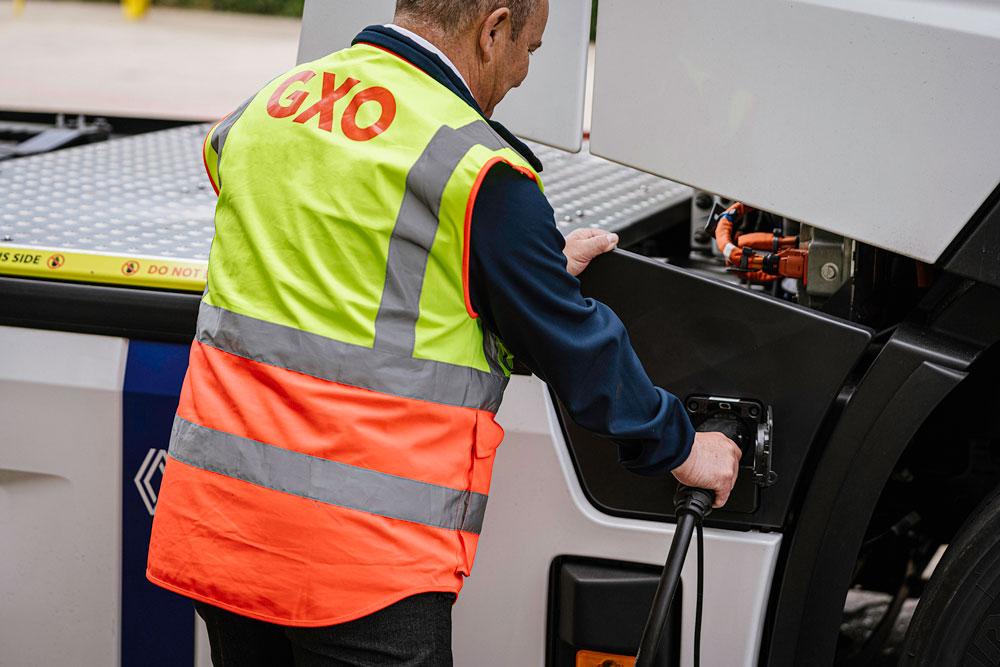
Recent policy measures, including the extension of the plug-in van grant to 2027, a new depot charging scheme, and proposed planning reforms to support private charger installations, are expected to provide some support. However, fleet operators continue to face barriers such as high upfront costs and limited access to suitable public charging infrastructure.
With market demand lagging behind government targets, industry representatives are calling for a comprehensive review of the UK’s van transition strategy.
For the broader LCV market, overall registrations fell by 3.4% in March to 49,505 units, marking the weakest March performance since 2023. The decline was driven largely by a steep drop in pick-up registrations, which fell by 54% to 3,732 units.
Mike Hawes, SMMT Chief Executive, said: "A weak March is deeply concerning given this number plate change month often sets the tone for the year. Moreover, with fleet renewal now having contracted in 14 of the past 16 months, it reflects poorly on overall business confidence. A thriving market is essential not just to economic growth but to decarbonisation, and it is increasingly alarming to see BEV demand waning when it must accelerate to reach ever-tougher mandated levels. With the transition already falling behind schedule, a holistic review of the transition is urgently needed."