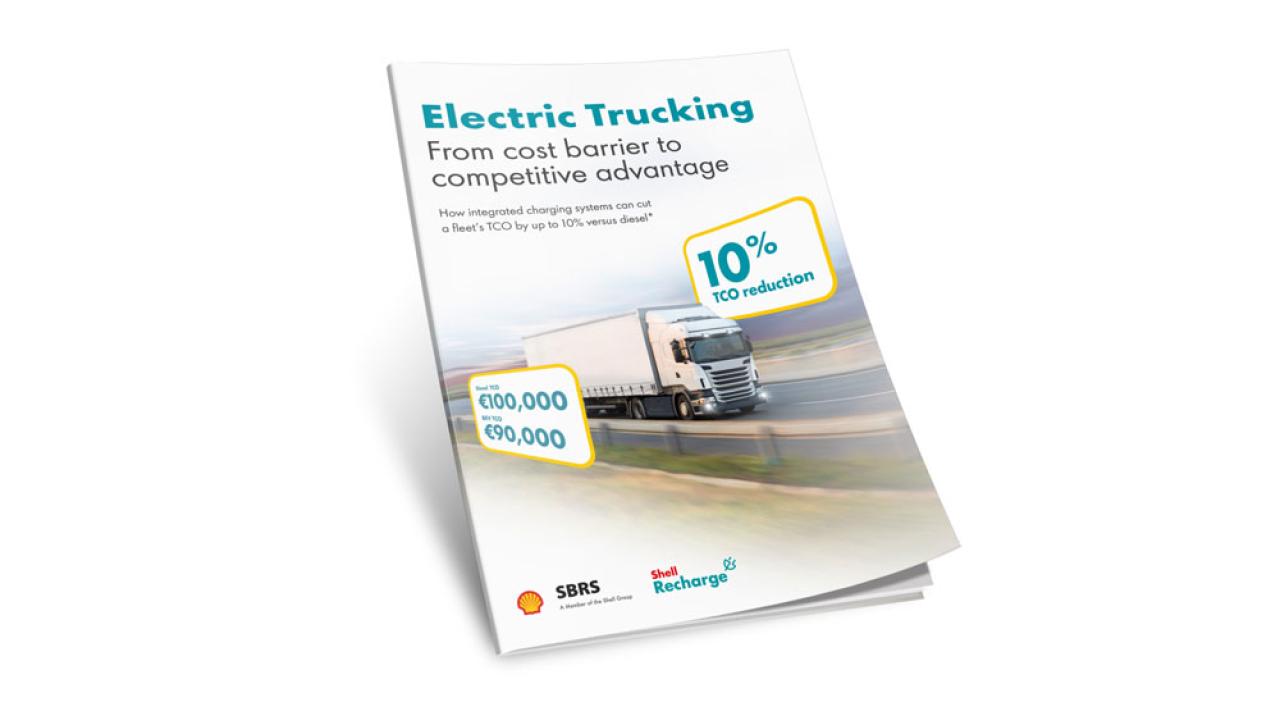
SBRS, part of the Shell Group, has published a new report arguing that electric heavy-duty trucking can already outperform diesel on total cost of ownership, reducing operating costs by as much as 10%.
The report, titled Electric Trucking: From Cost Barrier to Competitive Advantage, examines the economics of operating electric and diesel heavy-duty trucks under real-world conditions. Using a total cost of ownership (TCO) model, the study outlines the operational and financial factors that can enable fleet operators to make electric trucking more cost-effective than diesel.
According to SBRS, the key advantage of electric trucking lies in the flexibility fleets have over how they purchase and manage energy, utilise charging infrastructure and generate value from charging assets. Unlike diesel fleets, which remain exposed to fuel price volatility, electric fleets can optimise charging schedules, reduce exposure to peak electricity pricing and, in some markets, benefit from zero-emission toll exemptions.
The report argues that lower costs alone are not enough to guarantee electric trucking will beat diesel on total cost. Instead, SBRS said the economic benefits depend on integrating multiple operational levers into a connected charging and energy management strategy.
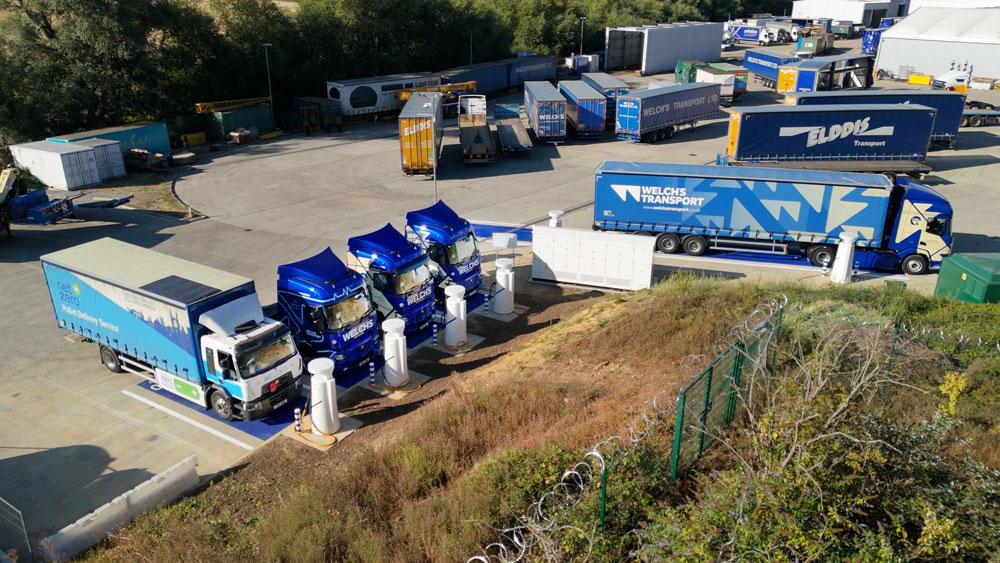
One of the most significant opportunities identified in the report is the ability for fleet operators to turn depot charging infrastructure into a source of revenue. By opening charging facilities to third-party fleets, operators can earn income from external charging sessions while managing charger access, payment and settlement through Shell Card integration. SBRS said this can help offset energy costs and, in some cases, potentially generate additional profit.
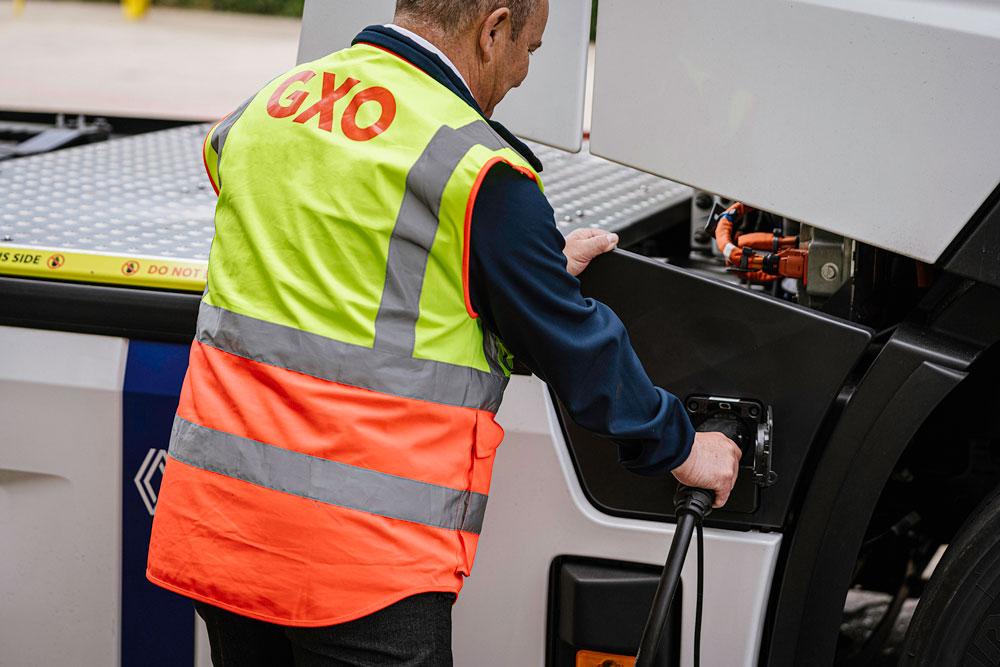
The report also highlights the importance of reducing electricity costs through smart energy management. Operators can use intelligent charging systems to automatically charge trucks during lower-cost periods, avoid peak demand tariffs and improve long-term energy purchasing through tailored contracts. SBRS said depot charging optimisation alone could reduce energy costs by up to 30%.
Additional savings can come from discounted charging rates available through Shell’s charging network and participation in EV credit schemes, while some operators may also benefit from exemptions on road tolls for zero-emission vehicles where available.
SBRS said access to integrated charging infrastructure remains central to lowering TCO for electric fleets. The report points to Shell’s wider European EV charging network and scalable charging solutions such as the recently launched Shell Recharge PowerPack 500 as examples of how fleets can reduce the cost and complexity of electrification.
The PowerPack 500 is an all-in-one system that has been designed to provide a scalable and cost-effective charging solution for heavy-duty fleets, combining Shell’s PowerHub 500 charging hardware with integrated digital and operational support services. The package includes 24 months’ access to PowerOS, Shell’s charge point management system, alongside PowerCare service and maintenance support and Shell Card integration to streamline deployment and charging management for operators.