The London Borough of Camden has partnered with Europcar Mobility Group UK to transition a large portion of its fleet to electric vans.
The initiative forms part of Camden’s Climate Action Plan 2026–2030, which sets out the borough’s ambition to become net zero by the end of the decade. Working closely together, Camden and Europcar identified that many of the council’s car-derived vans and short-wheelbase vehicles could be replaced immediately with electric alternatives.
Rather than committing to traditional long-term leases or purchasing vehicles outright, Camden opted for a long-term rental solution through Europcar, allowing it to scale and adapt its fleet without the high upfront costs typically associated with ownership or leasing.
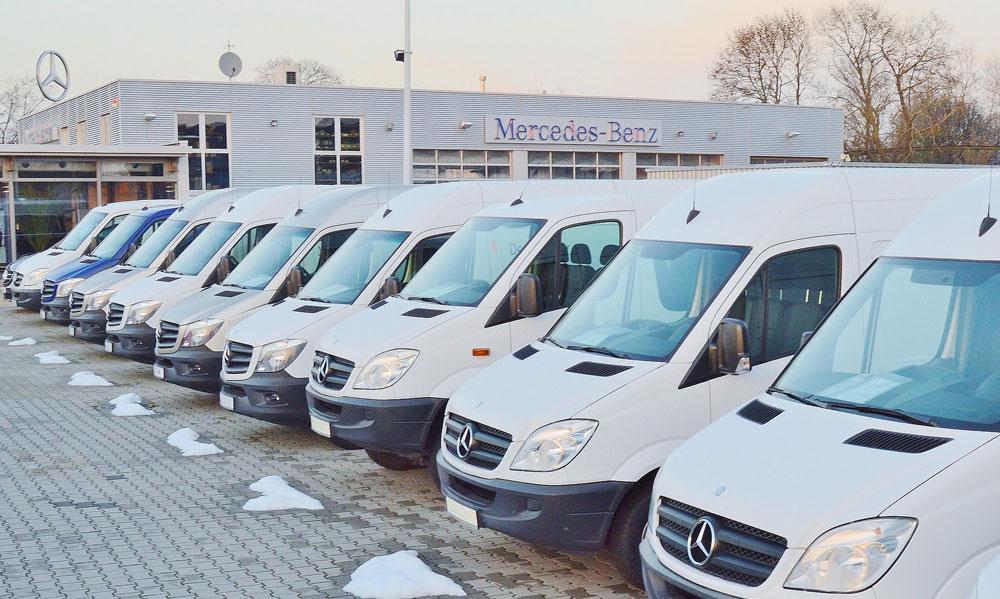
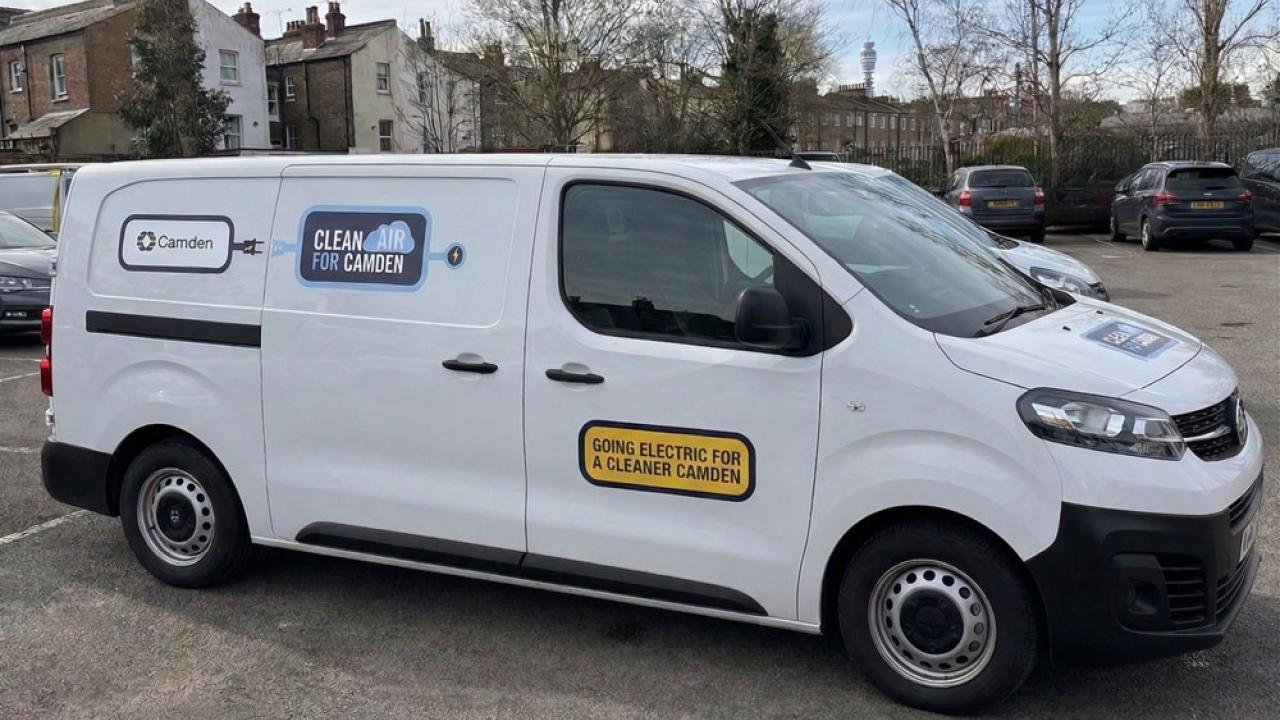
The first wave of eVans provided included the Renault Kangoo E-Tech, VW e-Transporter and Vauxhall Vivaro Electric, some fitted with equipment ranging from modular racking and roof bars and pipe carriers to steel tool vaults and Camden livery. The vehicles were delivered quickly and seamlessly despite a very tight deadline.
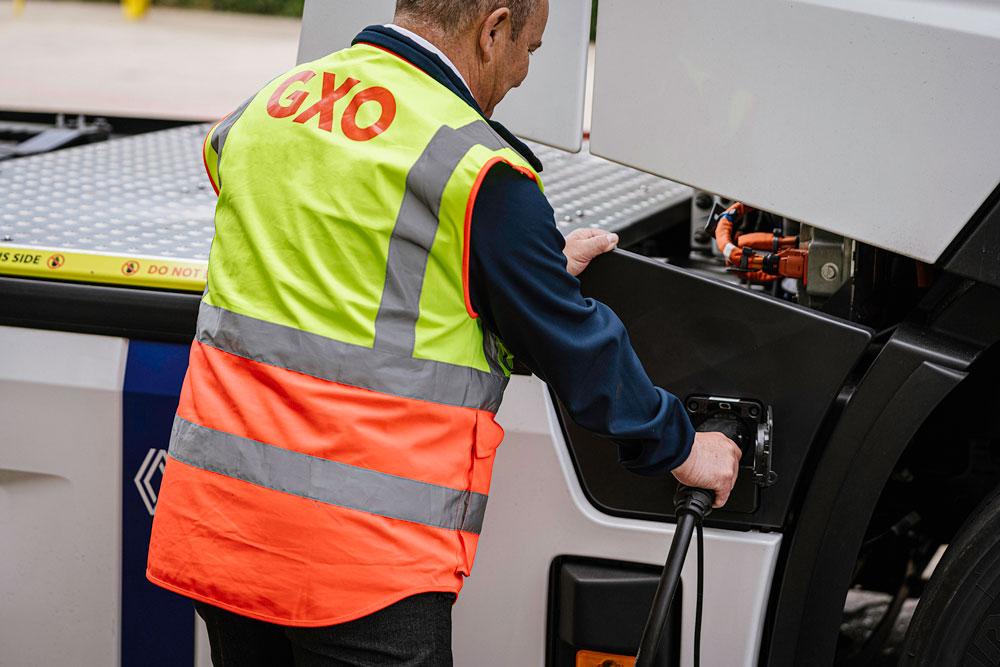
A key element of the project has been driver engagement and training. While senior leaders backed the shift to electric vehicles, some drivers initially expressed concerns about range and practicality. To support the transition, Europcar delivered hands-on training covering charging practices, regenerative braking and factors affecting battery performance such as weather and driving style. Data from Europcar’s fully connected fleet also played a crucial role in addressing early doubts, as it showed that vehicles were performing well within expected parameters.
Tom Middleditch, Head of B2B Marketing and Sustainability spokesperson at Europcar, said: "In the first few weeks of implementation, some drivers reported that they were having issues with the range of the eVans supplied and did not believe they were fit for purpose. However, by accessing real usage data from the vehicles supplied, the Europcar team could see the vans were actually performing well. On average the first 6 vehicles supplied covered 119 miles per week, which was well within the vehicles’ range. Plus, we could see that one user had charged their vehicle 14 times in one week. This was clearly a not surprising reaction to being asked to use a new drive train, but was not necessary.”