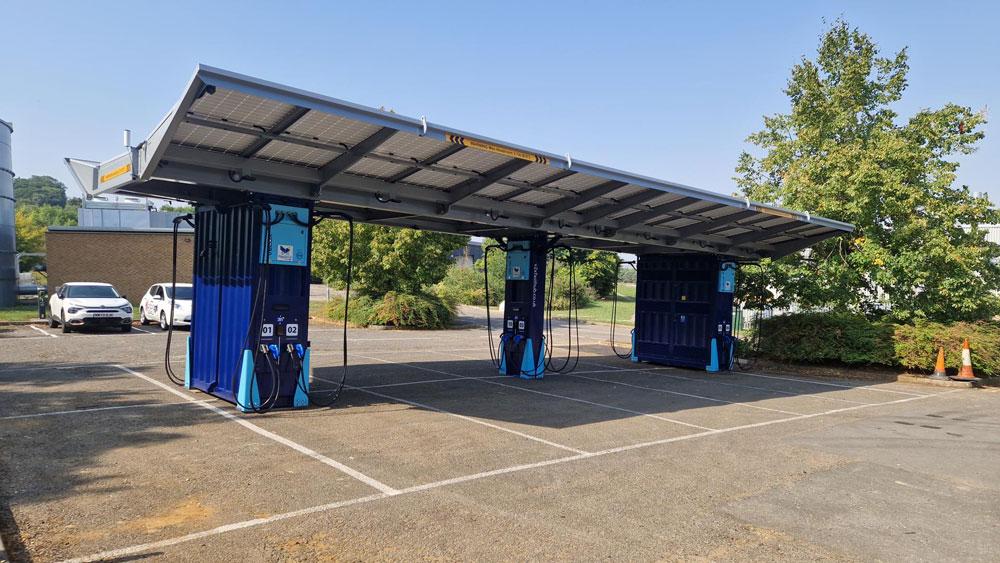
Simon Reilly shares five tips for developing a robust connection strategy for fleet electrification, from land permissions and commissioning, to phased connections and network adoption
September brought record electric van registrations, but also a reminder of how far the transition still has to go. The Society of Motor Manufacturers and Traders (SMMT) recorded 4,832 battery-electric van registrations. Yet their market share over the first nine months of 2026 was just 10.8 per cent, against a headline annual target of 24 per cent for manufacturers’ new van registrations under the Zero Emission Vehicle Mandate.
The SMMT identifies upfront costs and depot upgrades as major barriers. For fleet managers, there is also a practical concern: will our new electric vehicles be charged and ready when needed?
That is why a connection strategy belongs at the heart of an electrification programme. A vehicle delivery date is a commitment; the ability to charge those vehicles cannot be left as an assumption. Here’s our top five tips:
Understand the demand
Before committing to a grid connection, operators need to understand how much power the depot will need, when it will be needed, and how requirements could change.
Bring fleet teams, charging specialists, and connection partners into the same conversation early. A depot where vehicles park overnight presents a different challenge from one handling short turnarounds throughout the day for example. Assess busy periods, late returns, and future expansion, not just a typical working day.
Managed charging may reduce peak demand, but must not compromise day-to-day operations. Existing depot demand matters too; such as refrigeration, heating, and workshops which will still need electricity when vehicles are plugged in.
Charging and electrical specialists can translate those requirements into a demand profile. The connection team can then review the network design and work with the local Distribution Network Operator (DNO) to establish available capacity, any necessary upgrades, and realistic timescales.
For businesses comparing depots, make this assessment part of the property decision. A favourable lease is little comfort if the power arrangements cannot support the fleet.
Know what could delay the switch-on
Land rights can be just as important to the programme as the electrical design. Establish whether the proposed cable route crosses third-party land and whether landlord consent, access rights, or planning permission are needed.
These are not finishing touches. Land agreements and permissions can delay a project even when the electrical design is ready. Substation locations also need to work around loading bays and vehicle movements, not simply fit into an available corner.
Bring legal, property, and engineering specialists together before fixing the layout. Discovering a problem at this stage gives operators options; discovering it after the equipment has been ordered can mean costly changes.
For leased depots, clarify who can approve the works and what rights the network operator will need for future access and maintenance.
Explore your delivery options
Fleet operators also have a choice over who delivers and operates their electricity network.
Accredited Independent Connection Providers (ICPs) can design and build contestable works within their accredited scope: the parts of a connection open to competition. While an Ofgem-regulated Independent Distribution Network Operator (IDNO) can adopt, own, and maintain the resulting network.
Exploring these choices early gives operators more scope to compare delivery arrangements, costs, and long-term support.
Ask prospective partners how they will coordinate design approvals, land agreements, and commissioning. No provider can make an upstream capacity shortage disappear, so understand which parts of the timetable they control and which depend on wider network upgrades.
Responsibility after switch-on matters too. Establish who responds to a network fault and where responsibility passes to the charging provider. Those boundaries matter when an overnight problem could affect the next morning’s departures.
Match capacity to fleet growth
A depot may eventually support 100 electric vehicles but start with 20. The connection strategy should reflect that staged growth rather than the eventual requirement from day one.
Where network conditions allow, a smaller initial connection could support the first vehicles while additional capacity is delivered. Ask your chosen network provider whether this would get part of the fleet on the road sooner, and agree the conditions and milestones for later increases.
Commercial ramping agreements address a related issue: paying for capacity before it is needed. Subject to the terms available, capacity charges can rise alongside agreed requirements rather than reflecting the depot’s eventual size from day one.
An IDNO can help you explore these arrangements, but an agreement on charges alone does not guarantee access to more power. The physical connection programme and commercial terms must align.
Battery storage and on-site generation may also help manage demand, but should be assessed against charging schedules and the full project costs. You can also think beyond your own fleet. Installed charging infrastructure may have spare capacity at certain times, consider opening it up to other commercial EV users. This makes better use of the asset and create additional value for the operator from the investment.
Ask about this ‘hidden’ funding opportunity
Connection strategy can also improve the business case through an Asset Value (AV) payment offered by an IDNO – a financial benefit that would not be available in the same way through a traditional DNO connection.
When an IDNO adopts an eligible network, it takes responsibility for owning, operating, and maintaining those assets over the long term. In return, it receives ongoing distribution income through electricity suppliers and can share part of that expected future value with the customer through a one-off payment towards the project.
For bus depots, AV payments can range from hundreds of thousands of pounds to more than £1 million, depending on the size and characteristics of the connection. This can effectively reduce the net cost of the electrical infrastructure and release capital for the next stage of electrification.
For a finance director weighing up the budget available for the next batch of electric vehicles, understanding the difference between the DNO and IDNO routes – and the potential value available through an IDNO adoption – could materially influence the business case.
Lessons from buses and heavy freight
Aurora’s work with Stagecoach involved adopting and operating connections with capacity to support around 1,330 electric buses across its nationwide depot electrification programme.
For operators managing multiple sites, the practical lesson is to assess each depot individually. Vehicle requirements, available space, and connection arrangements should shape the rollout. A more straightforward site could move forward while another works through land or network constraints for example.
Meanwhile, heavy freight can bring another challenge to the fore: shorter charging windows. Aurora was the IDNO partner on the landmark megawatt HGV charging hub project for Russell Group in North Lanarkshire, Scotland. Connected by June 2026, high-powered charging systems had to fit around a working logistics operation, and the network design had to allow for future upgrades.
Planning for growth therefore means considering both current and future capacity, as well as layout and space constraints: where will additional equipment go, and how can it be installed without disrupting vehicles already in service?
Before your next vehicle order
My advice is to bring fleet, property, finance, and electrical specialists together before your next major EV commitment. Establish what the first vehicles need, what the depot can support, and what must change before they arrive.
Build vehicle deliveries, construction, land permissions, and commissioning into one programme of activity. Explore phased connections and network adoption while there is still time to influence the design and budget.
The aim is to understand grid constraints so you can make smarter decisions. And, when the first electric vehicles arrive on site, the focus should be on getting them on the road as quickly as possible. That means planning the grid connection alongside the fleet, long before delivery day.
Simon Reilly is CEO of Aurora Utilities.