From grid capacity to energy storage, smart charging, compliance and future demand, Mark Constable, head of transport Policy at the REA, shares the key considerations fleets need to know before installing EV charging infrastructure
As more businesses transition their fleets to electric vehicles, installing charging infrastructure is becoming a critical part of fleet management. But successful electrification involves considerably more than choosing a charger and having it installed.
For fleet operators, getting the infrastructure right from the outset means understanding how vehicles are used, assessing the site’s energy capacity, navigating grid connections, selecting appropriate equipment and ensuring that installations meet the relevant requirements.
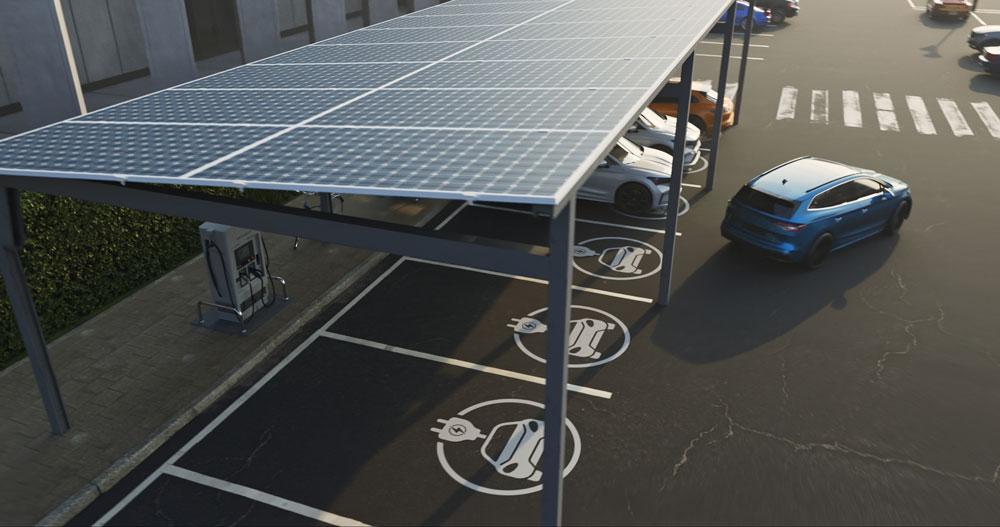
There is also an opportunity to look beyond charging itself. Solar PV, battery storage and smart charging can form part of an integrated energy strategy, helping businesses manage demand and make better use of their electricity supply by reducing upgrade requirements or avoiding the need for any upgrade in the first place.
So, what should fleet managers consider before embarking on an EV charging installation?
Start with the fleet, not the charger
The first step is to understand the operational requirements of the fleet. Fleet managers should look at vehicle mileage, routes, operating schedules, where vehicles are parked and how long they are stationary for. Telematics and other operational data can help establish which vehicles are suitable for electrification, what battery capacity they require and how much charging infrastructure is actually needed.
This is particularly important because there is no single charging solution for every fleet. A last-mile delivery fleet returning to a depot every evening will have very different requirements from an HGV fleet operating long-distance routes or a mobile engineering fleet where drivers take vehicles home.
Understanding the operational profile first means infrastructure can be designed around the fleet, rather than the other way around.
Assess your site’s electrical capacity early.
One of the most important considerations is whether the existing site can support the additional electricity demand created by an electric fleet.
Installing multiple high-powered chargepoints can significantly increase a site’s electricity requirements. Fleet managers should therefore assess their existing electrical infrastructure and available grid capacity before committing to a particular charging strategy.
Where additional capacity is required, the Distribution Network Operator (DNO) or an Independent Connection Provider (ICP) will need to be involved. New connection processes can take time and costs can vary significantly depending on the site and the level of capacity required. An upgrade could be reduced with the deployment of a growing number of storage solutions, but the upgrade costs need to be understood to reach the right answer overall.
This needs to be factored into the project timeline from the beginning. There is little value in procuring electric vehicles if the depot does not have the infrastructure to charge them when they arrive.
Fleet managers should also consider future requirements. A depot may initially need infrastructure for a relatively small number of electric vehicles, but if electrification is expected to expand, designing for future capacity can avoid expensive and disruptive upgrades later.
Consider the whole energy system
Charging infrastructure should not necessarily be considered in isolation from the rest of a site’s energy needs.
Fleet depots may have significant roof or land space that could potentially accommodate solar PV. Generating electricity on-site can help reduce reliance on grid electricity, while battery storage can provide another way of managing when and how electricity is used.
For some sites, combining solar, storage and smart charging could help manage peak electricity demand and make better use of an existing grid connection.
The important point is to assess these technologies together. A fleet manager planning an EV charging installation should consider solar generation, battery storage, energy procurement and charging management as part of an integrated energy strategy.
Choose charging equipment around operational needs
More powerful charging equipment is not automatically better.The appropriate charging speed depends on how vehicles are operated. Vehicles that remain at a depot overnight may have plenty of time to charge and may not require the highest-powered equipment. By contrast, vehicles with short turnaround times may need faster charging (subject to the vehicle-defined limit) to remain operational. Fleet managers should therefore consider when vehicles are available for charging, how much energy they require and how frequently they need to return to the depot.
The physical design of the site also matters. Vehicle dimensions, parking arrangements, turning circles, cable management, access and safety all need to be considered, particularly for larger commercial vehicles.
It is worth considering whether bi-directional charging offers an extra revenue stream against the vehicle duty-cycles and model choices.
Build compliance into the project from the beginning
Compliance should not be treated as something to check after the equipment has been selected. Before starting an installation, fleet operators should establish which requirements apply to the proposed equipment, electrical works and site. Depending on the project, this can involve electrical safety, planning, building and other technical requirements.
Using appropriately qualified and experienced professionals is particularly important for larger or more complex installations. Fleet managers should also establish who is responsible for testing, commissioning, maintenance and ongoing servicing once the installation is operational.
One way of reducing complexity is to use a managed service for a whole project, but careful consideration and procurement activities don’t necessarily reduce all the burden.
The same principle applies to associated technologies such as solar PV and battery storage. These should be assessed as part of the overall site design, with the appropriate technical and safety considerations incorporated from the outset.
Taking a compliance-led approach early can help prevent costly changes further down the line and give fleet operators greater confidence that their infrastructure is safe, suitable and capable of supporting their operations.
Don’t overlook charging software
The physical chargepoint is only one part of the system. Charging management software can provide fleet operators with visibility over charging activity, energy consumption and vehicle usage. It can also enable operators to schedule charging according to vehicle requirements and electricity prices.
Smart charging can be particularly valuable for larger fleets. Rather than every vehicle charging simultaneously when it returns to the depot, charging can be managed according to operational priorities and available electricity capacity.
This can help fleets avoid unnecessary peaks in demand and make better use of their existing infrastructure.
Plan for public, home and depot charging
Even fleets with dedicated depot infrastructure may need access to public charging. This is particularly relevant for vehicles undertaking longer journeys, as well as fleets where drivers take vehicles home.
Fleet managers should consider how drivers will access public infrastructure, including reliability, location, vehicle compatibility and payment arrangements. A charging strategy needs to work for the driver as well as the vehicle. For commercial fleets, this also means considering whether charging sites can accommodate the size and manoeuvrability of the vehicles being operated. Infrastructure designed primarily around passenger cars may not necessarily meet the needs of vans or HGVs.
Where home charging is part of the strategy, fleet operators should similarly consider how charging costs, equipment and reimbursement will be managed.
A joined-up approach
For fleet managers, the complexity of electrification can initially seem daunting. But many of the risks can be addressed by taking a structured approach.
Start by understanding how the fleet operates. Assess the site’s electrical capacity and grid connection requirements. Establish what charging equipment is actually needed. Consider solar, battery storage and smart charging as part of the wider energy system. Make sure compliance and safety requirements are understood from the outset, and select installers and technology providers with the appropriate expertise.
Most importantly, plan for the fleet you are likely to have in the future, not simply the vehicles you are replacing today.
The transition to electric fleets is not just about replacing a diesel vehicle with an electric one. It requires a coordinated approach to vehicles, energy, infrastructure, software and operations.
With the right planning, fleet managers can make infrastructure decisions that support reliable day-to-day operations while creating a scalable foundation for the next stage of their electrification journey.