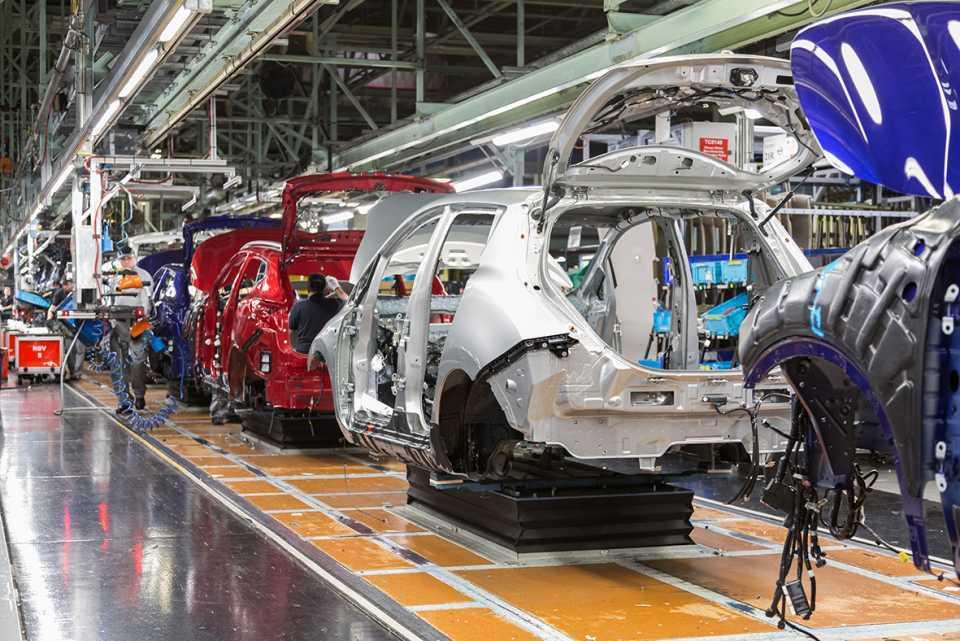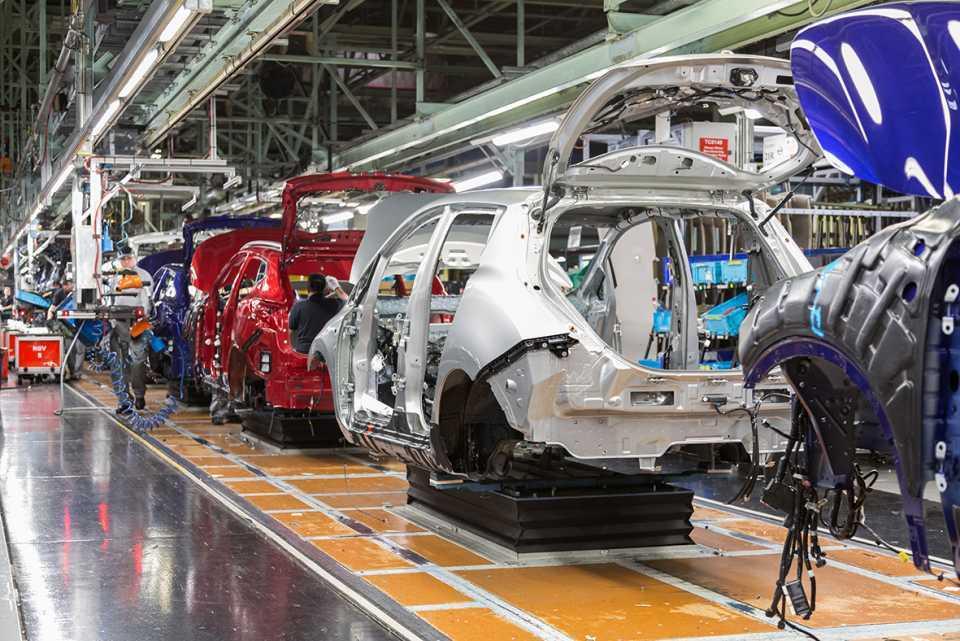
UK vehicle makers have increased on-site renewable energy generation by more than a third last year to reach record levels, according to new analysis from the Society of Motor Manufacturers and Traders (SMMT).
SMMT’s latest UK Automotive Sustainability Report, shows the sector’s on-site renewables generation rose 36.0% to 80.4GWh in 2025 – enough to provide more than 32,000 British homes with electricity for a year and removing around 14,000 tonnes of CO2 from production.
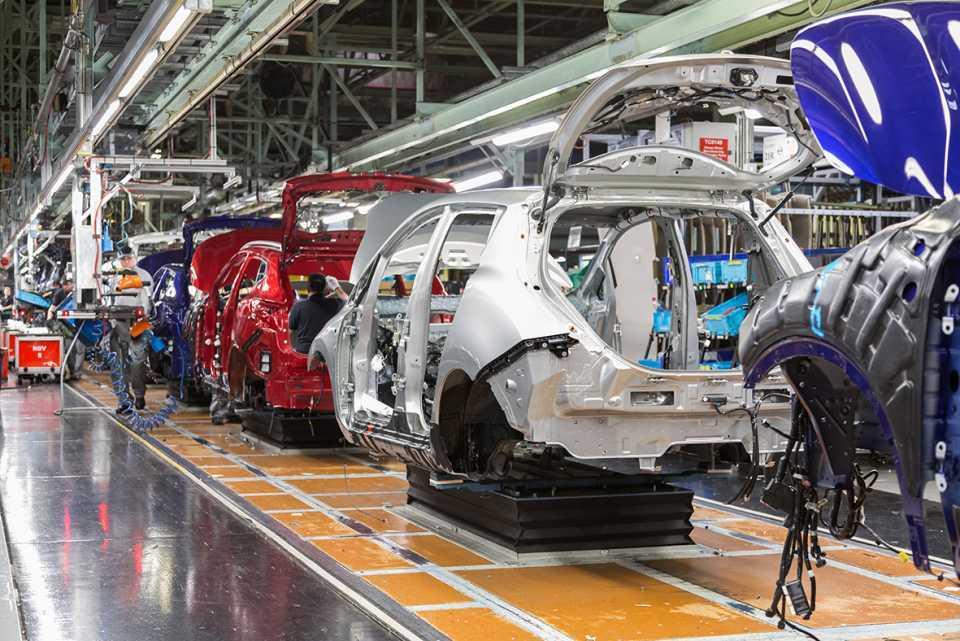
The analysis, representing manufacturers of 99.7% of all UK-built cars and commercial vehicles as well as the wider supply chain, reflects huge industry investment to cut carbon, reduce resource use and build greener plants for greener vehicles.
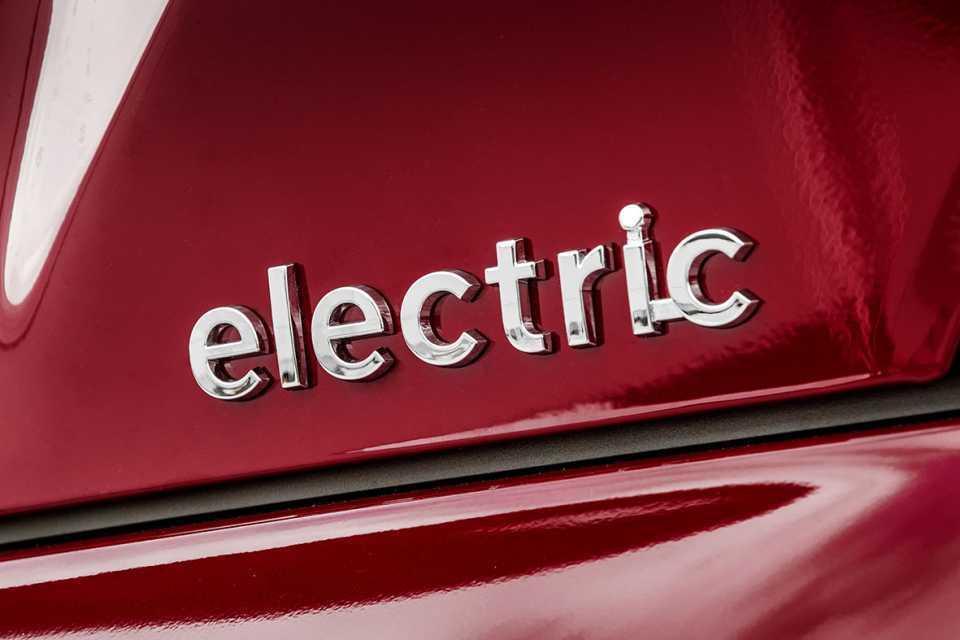
The progress is part of a wider sustainability drive across the industry. In addition to renewables generation, more than a third (36.5%) of all industry’s electricity was supplied through green energy from the grid last year, while more than 93% of manufacturing waste was reused or recycled. The broader industry is also bringing more zero emission vehicles to market – with more than 160 models on offer and almost half a million (470,000) new battery electric cars registered in the UK in 2025.
Meanwhile, investment is also supporting people, with UK automotive apprenticeship and trainee numbers up almost a third to more than 6,000 roles, helping build the skills needed for net zero and a more circular economy.
The SMMT warns that scaling on-site renewables generation is not straightforward. It requires complex planning, substantial upfront capital and grid reinforcements, with the largest projects facing connection waits of up to 15 years.
Mike Hawes, SMMT Chief Executive, said: "The UK automotive industry is investing significant amounts to try and remain competitive, innovating to decarbonise from well to wheel and creating greener factories for greener vehicles in every nation of the UK. But ambition alone cannot deliver sustainability at the pace needed. Manufacturers need faster connections, more low-carbon power and energy costs that are internationally competitive. With the right conditions, industry can go faster and further, delivering investment, jobs, economic growth and decarbonisation for generations to come."