The government has announced plans to reduce the cost of using lower powered public charging points.
£100 million in funding will be invested over two years to help cut charging costs at lower-powered public charge points, with the scheme due to begin in spring 2027.
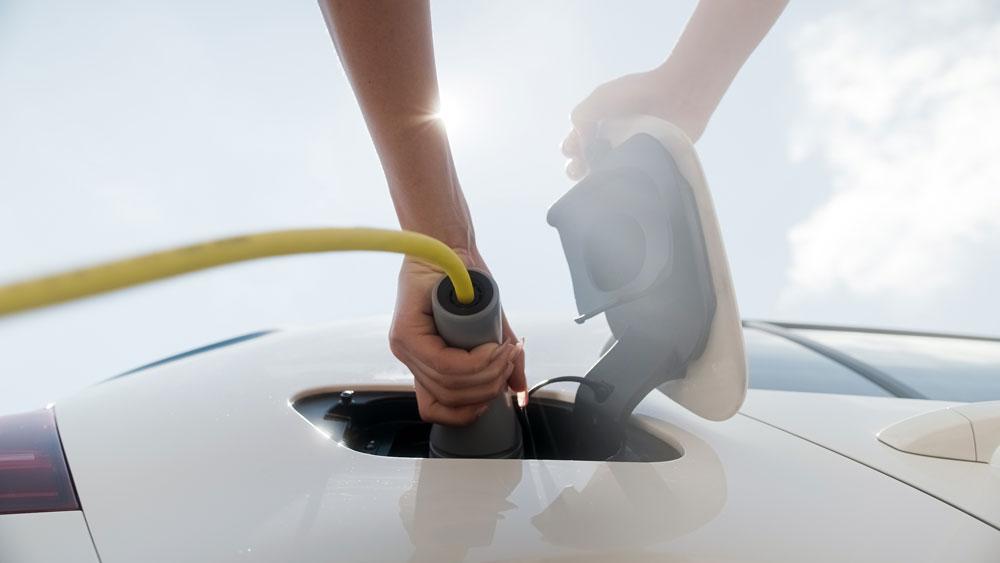
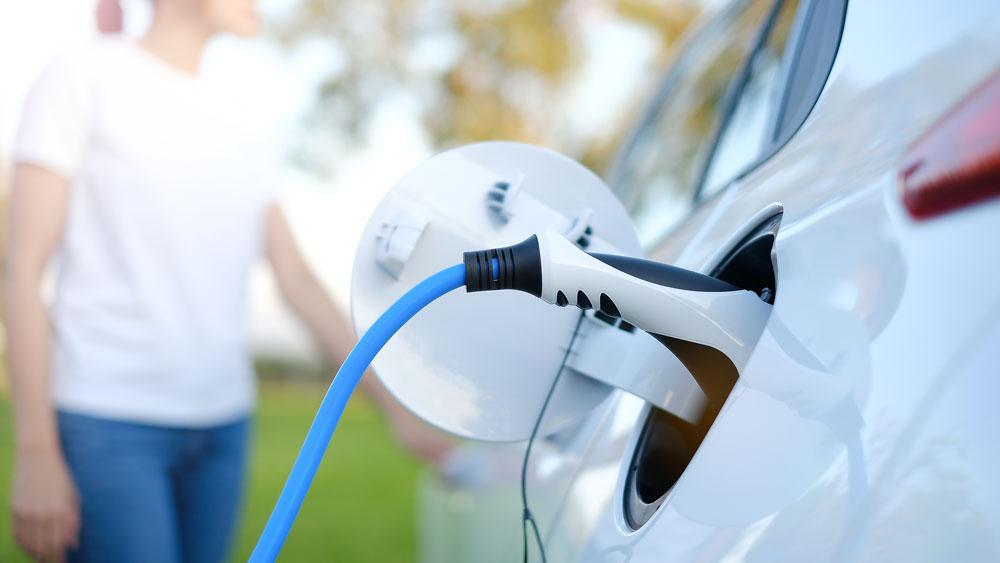
The funding will focus on chargers typically found on residential streets, where motorists can leave their vehicles to charge for several hours or overnight. These charging points account for around a third of the UK's current public charging network.
The announcement comes as the transition to electric vehicles continues to gather pace, with EV sales up 36% compared with last year. More than 190,000 drivers have also saved thousands of pounds by making the switch over the past 12 months, supported by government funding.
However, rising public charging costs have become a growing concern, with ministers recognising that expensive charging could discourage motorists from switching to electric vehicles.
At Budget 2025, the government announced an independent review into the cost of charging on the public network, following increases in prices in recent years.
This announcement forms part of the government's response to that review, with the aim of making public charging more affordable, particularly for drivers who depend on local residential charging points.
Ministers are also looking at longer-term changes to the charging system. The government will establish a new industry-led 'tariff porting' taskforce to explore whether drivers could use their cheaper domestic electricity tariffs at certain public charging points.
The Department for Transport is expected to provide further details of the taskforce in due course.