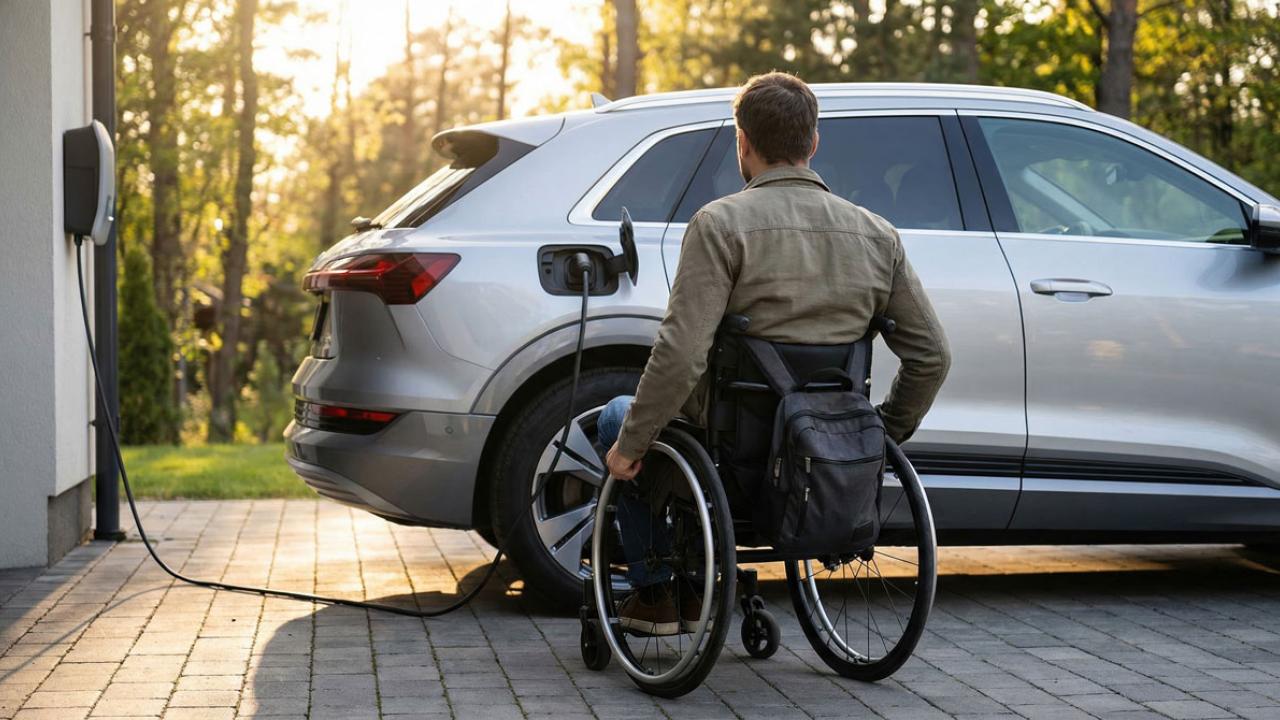
New research suggests that whilst the number of UK councils providing accessible on-street electric vehicle charging has doubled in the past year, three-quarters still have no suitable chargers for disabled drivers.
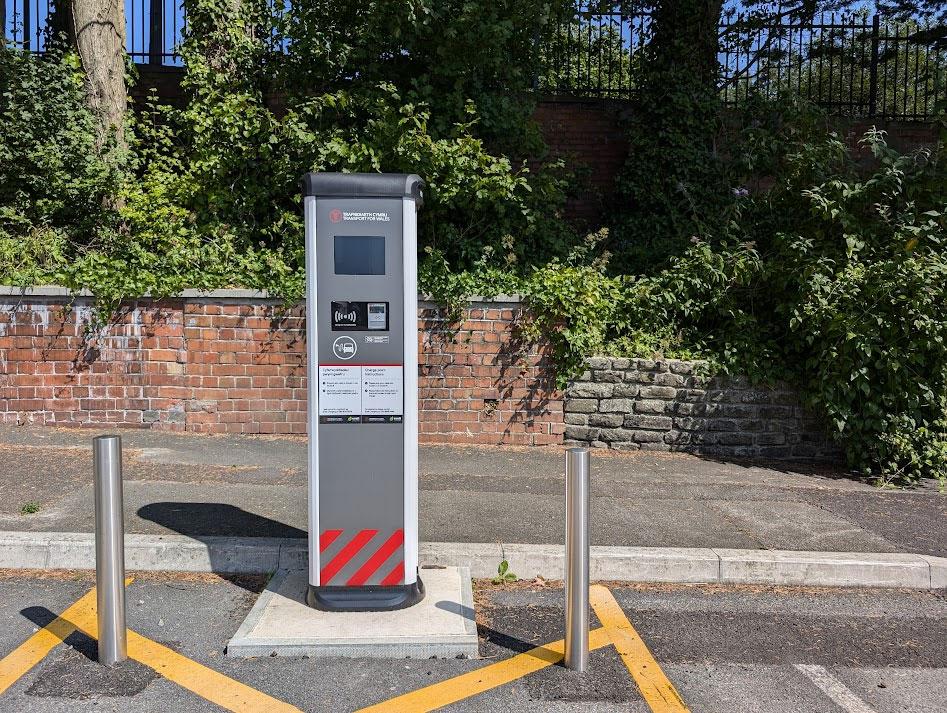
Freedom of Information requests submitted by Vauxhall found that 49 of the 194 councils responding now provide on-street chargers that are either adapted for disabled motorists or meet the British Standards Institution’s PAS 1899:2022 accessibility standard. This is up from 24 councils in 2025.
The number of EV chargers located in disabled parking bays has also more than doubled, rising from 105 in 2024 to 245.
Vauxhall estimates that 15% of on-street chargers are specifically adapted for disabled drivers, while 14% comply with the PAS 1899:2022 standard.
However, the research revealed significant regional differences. London was reported to have 2,131 accessible on-street chargers, compared with 43 in North West England and 14 in Scotland.
More than half of the councils responding said their EV charging strategies considered the needs of disabled and older residents. Despite this, 75% had no chargers specifically adapted for disabled users or compliant with recognised accessibility guidance.
Eurig Druce, managing director of Vauxhall and group managing director of Stellantis UK, said the improvement was encouraging but warned that substantial gaps remained.
“As more people switch to electric vehicles, accessibility must be built into public charging from the start, not treated as an afterthought,” he said.
“If the UK is to bring everyone on the electrification journey, accessible charging needs to become the standard, so going electric is a practical and viable option for all drivers.”
The research forms part of Vauxhall’s Electric Streets of Britain campaign, which aims to improve access to charging for households without private driveways.