According to new analysis, none of the top 20 PHEV models sold in 2026 have the capability to ultra rapid charge and three in four cannot rapid charge either.
The analysis, by ChargeUK, the EV charging industry association, shows how PHEV vehicle technology severely limits public charging.
The average maximum charging speed of top 20 PHEVs sold, weighted by sales volume, is 25.1kW – equivalent to adding around 75 miles of electric range per hour. Rapid charging is defined as 50kW and above and ultra-rapid as from 150kW. The average battery size of the top 20 is 22.1kWh, equivalent to around 77 miles of electric range.
The equivalent figures for the top 20 battery electric vehicles (BEVs) sold in 2025 were a 76.3kWh battery size, 267 miles of range and 168kW charging speed – equivalent to around adding around 500 miles of range per hour.
ChargeUK therefore says that PHEV vehicle technology limits use of the battery in the real world, significantly reducing electric miles and associated emissions savings, and benefitting drivers and the environment only where the driver can slow charge at home.
226,593 PHEVs were sold in the UK last year, making them the fastest growing car type surging 34.7% on 2024. According to New Automotive data 179,786 have been sold between 1 Jan to end of August 2026, a further 29.5 per cent growth in the category compared to the same period last year.
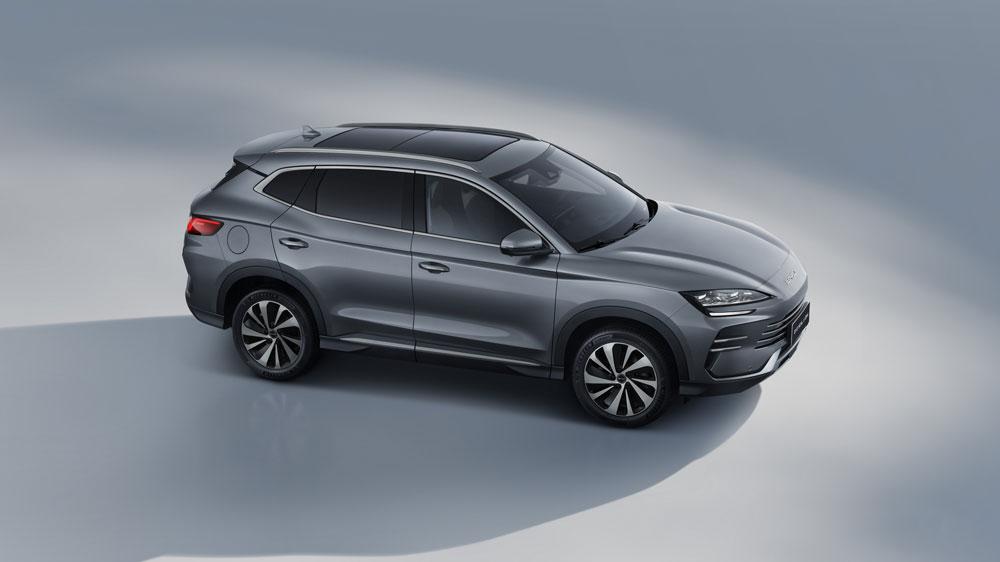
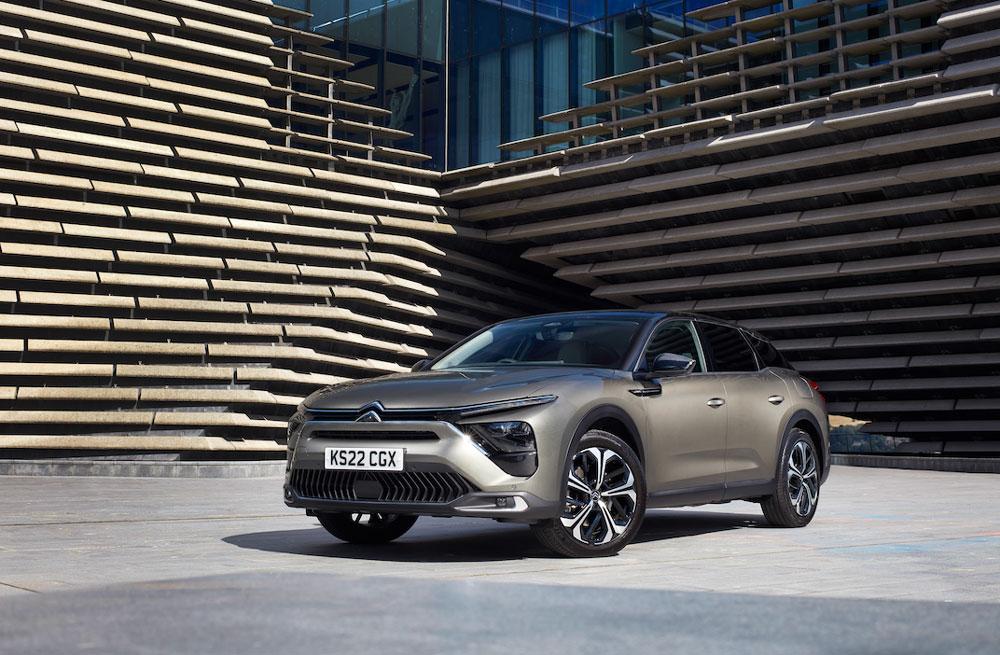
The increase can largely be attributed to the changes the government made to the Zero Emission Vehicle Mandate (ZEV Mandate) last year, which allowed car sellers to sell more PHEVs to help meet targets. The UK emissions criteria for PHEVs is more lenient than European equivalent rules, thereby encouraging an influx of PHEV models that are less attractive to sell elsewhere. The top five models in 2026 are all from Chinese carmakers and represent over half of all PHEV sales.
Shane Brennan, chief executive of ChargeUK said: “A plug-in hybrid electric vehicle that is never plugged in is a costly petrol car pulling around a heavy battery. Drivers buy PHEV vehicles on the promise of a ‘best of all worlds’ compromise, especially for those without access to a home charger, only to find that they lack expected charging capabilities. PHEV drivers unable to charge on the public charging network quickly fall into patterns of being petrol reliant.”
In its recently published review of the ZEV Mandate the government explains that ‘theoretically PHEVs can deliver significant emissions savings because most journeys are short and can be completed using the battery alone.’ However, it goes on to concede that the system used to calculate savings ‘significantly overestimates electric driving, as in real life many drivers charge infrequently.’
ChargeUK’s analysis builds on findings from the International Council on Clean Transportation (ICCT), which showed that the gap between claimed and real-world PHEV emissions had grown from 260 per cent in 2021 to 400 per cent in 2023.
Brennan continued: “Government must not be hoodwinked into promoting the idea that boosting PHEV sales is a meaningful step towards electrification. Ministers should be strengthening not weakening a zero emissions policy that is working to make electric vehicles cheaper and more available.
“Allowing car sellers to continue to replace BEV sales with PHEVs will severely harm a transition that is working for UK consumers. It is a spectacular own goal to be seduced by a mythical ‘PHEV compromise."