Scientists are building the UK’s first simulation of a delivery truck’s journey from London to East Midlands Airport as part of decarbonisation research that will investigate what electric vehicle charging points are needed along the M1 motorway.
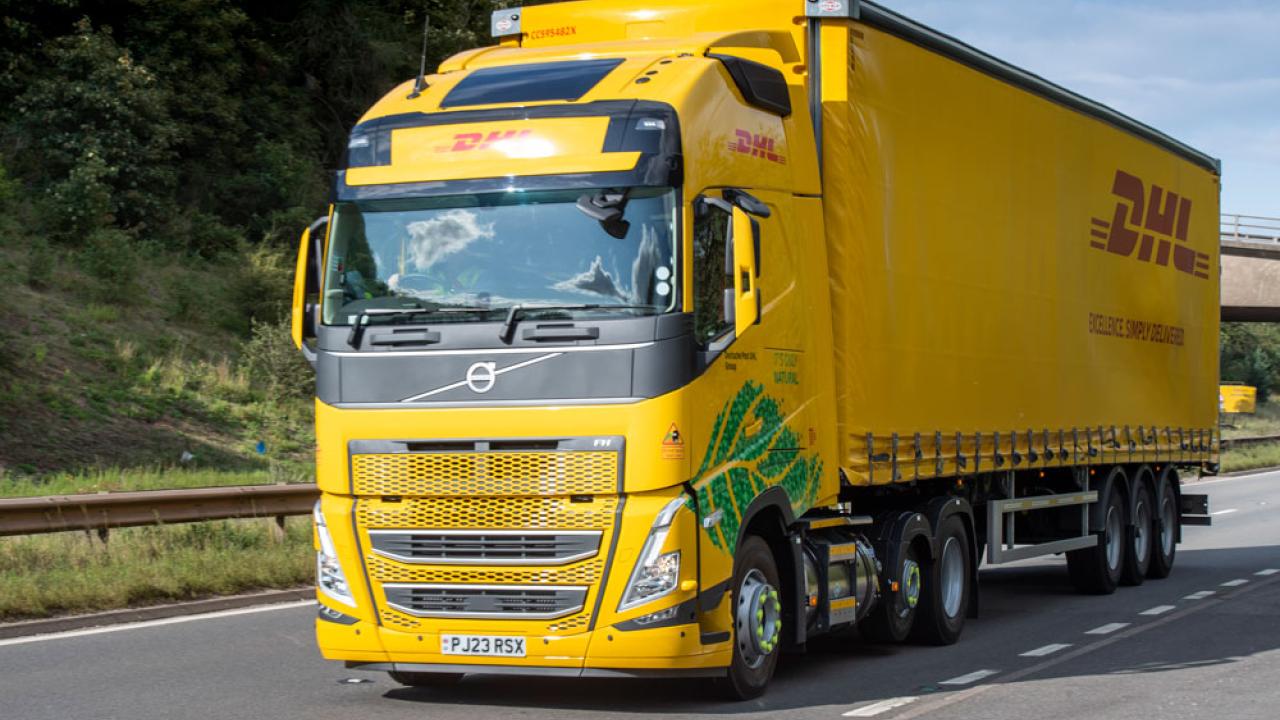
The research, being led by TransiT, is using the data from DHL's fleet for the simulation using digital twin technology
Alex Foote, a TransiT researcher at Heriot-Watt University in Edinburgh, said: “We’re building a simulation which will show how a truck fleet can transition from having no electric heavy goods vehicles to 100% electric HGVs by 2050.
“Using the data from DHL, we’re starting to add in electric trucks to the fleet, to understand the impact of this, based on the frequency and volume of freight they're moving. Electric HGVs can typically lead to larger fleets because the weight of batteries and the time needed to charge them can mean more trucks are required to keep delivery volumes in line with diesel trucks.
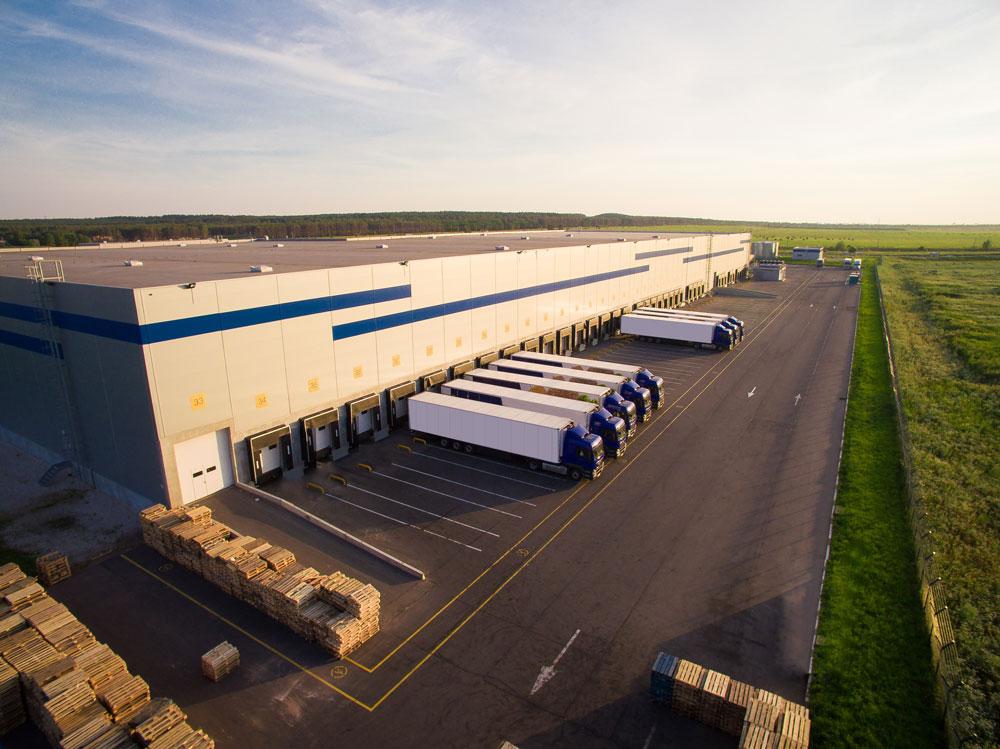
“We’re also looking at the journey of these trucks from London to East Midlands Airport, so we can identify the best places to install charging infrastructure for electric trucks. In our simulation, this involves adding in electric infrastructure at DHL depots and service stations along the M1.”
To model these scenarios, Dr Foote is using a computer simulation technique called agent-based modelling (‘ABM’). This simulates how individual agents – like drivers and vehicles – interact with each other and their environment, and the impacts these interactions can have on the wider transport system. These models can identify the changes needed to ensure logistics companies remain reliable and profitable – including where vehicle charging points should be located, at what speed they should charge, and which mix of vehicles would be most effective for fleets.
A key innovation has involved ‘incentivising’ these computer agent truck drivers to find the most beneficial routes and locations using a scoring system.
Dr Foote explains: “Our goal at TransiT is to identify the fastest, lowest-cost routes to transport decarbonisation, so our agents get better scores if their trucks find shorter routes that reduce the time and cost of their journeys.
“This might mean they favour charging at the depot before starting their journey, during wait times between jobs, so they don’t have to stop en route. Or if it’s a long route, they might have to charge at a service station along the way.
“The great advantage of agent-based models is that the agents can tell us what the best solution is.”
The research is being conducted in collaboration with air freight specialists at Cranfield University.