A new trial, facilitated by the Scottish Wholesale Association (SWA), Renault Trucks and specialist contract hire provider Vertellus, has found that electric heavy goods vehicles (eHGVs) can already match – and in some cases exceed – diesel performance on local wholesale delivery routes.
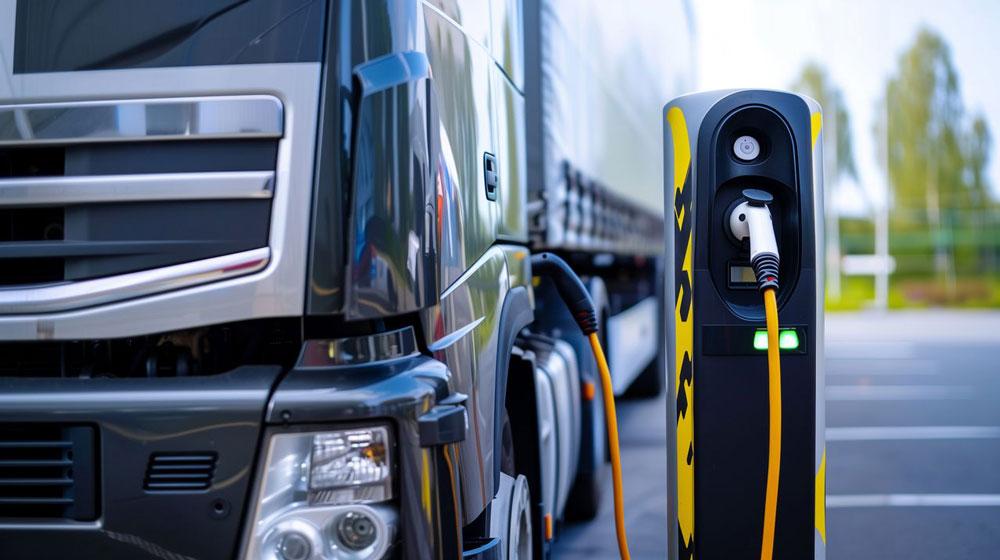
However, the research highlights that charging infrastructure – especially beyond built-up areas such as Scotland’s central belt, as well as support with building confidence in route planning and incorporating eHGVs into fleets, remains an area where development is needed.
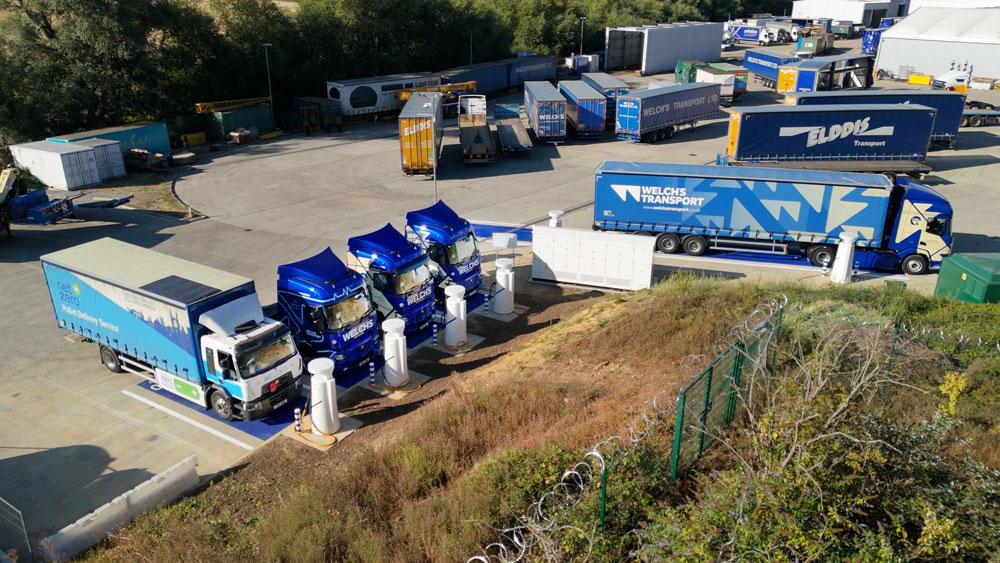
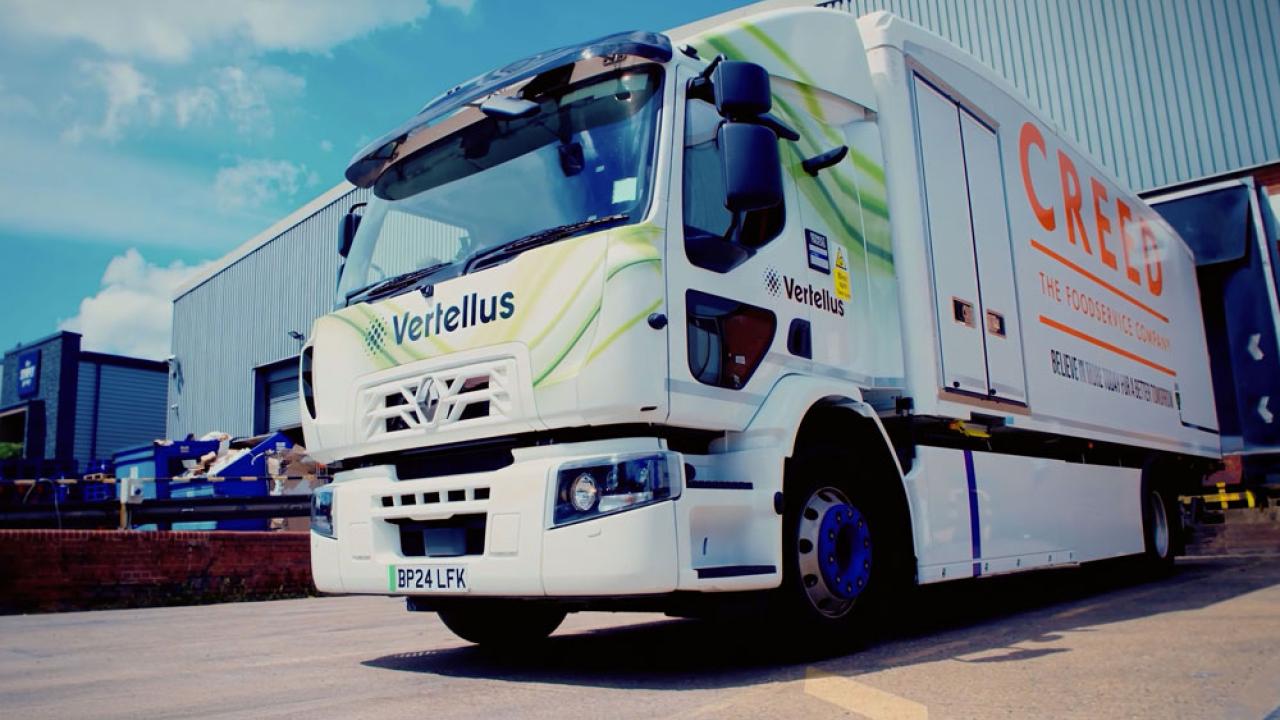
The findings come from the Vertellus EV Discovery Programme, which allows wholesalers to lease 18-tonne Renault Trucks E-Tech D electric HGVs for 12 months at a cost comparable to diesel equivalents.
Facilitated by SWA, two wholesalers – United Wholesale (Scotland) and Creed Foodservice – took part in the trial, operating the vehicles in real-world conditions across multiple seasons on multi-drop food and drink delivery routes.
The trials found that up to 95% of short and regional journeys are achievable using eHGVs across both operators' fleets, based on real-world data.
The eHGVs consistently matched or exceeded diesel performance in local multi-drop operations.
Vehicle range is often underestimated in practice: trial vehicles used just 36% of battery capacity on average, indicating significant headroom to increase utilisation as confidence grows.
Emissions savings exceeded 50 kg of CO₂ per 100 km, equating to 10-13 tonnes annually per vehicle.
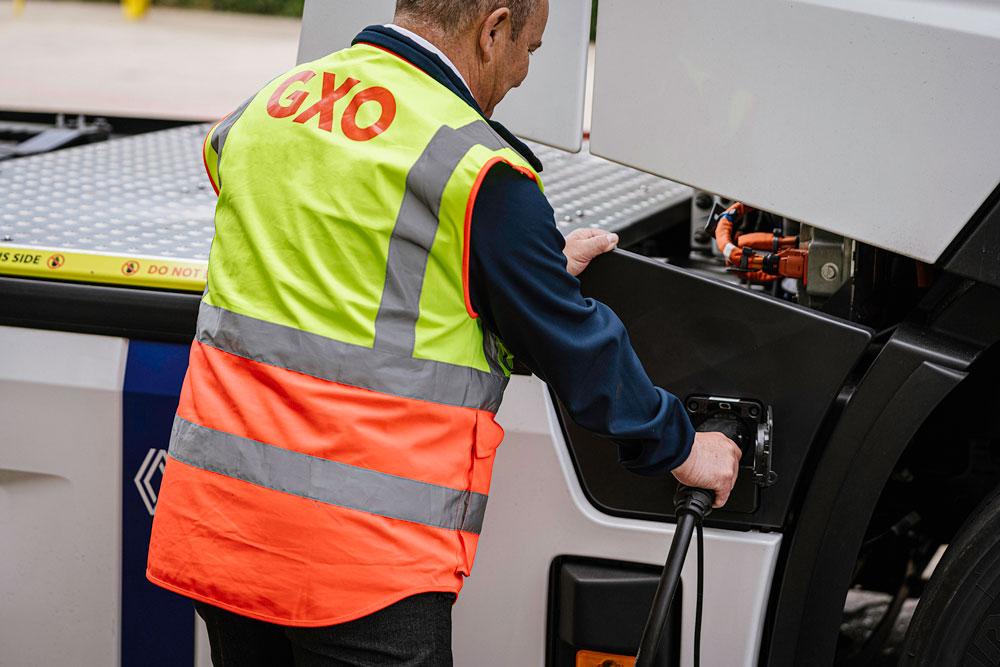
Depot-based charging delivered lower running costs than diesel – UWS reported costs around £10-£20 lower per 100 km, while Creed Foodservice estimated an annual saving of £6,630. (Figures are based on February 2026 prices. The cost savings are likely to be even greater following recent volatility in global energy markets driven by geopolitical tensions in the Middle East.)
Driver and customer feedback was largely positive, with confidence growing as experience with the vehicles increased.
Charging infrastructure and route-planning remain areas for continued development, though solutions are emerging rapidly across the UK.
Meanwhile, transport-related emissions remain the largest source of Scope 1 (operational) emissions for the wholesale sector, with SWA research showing that HGV fuel use accounts for 63.7% of the sector's emissions in Scotland. The trial was designed to give wholesalers practical, evidence-based insight into how electrification could support their decarbonisation goals.
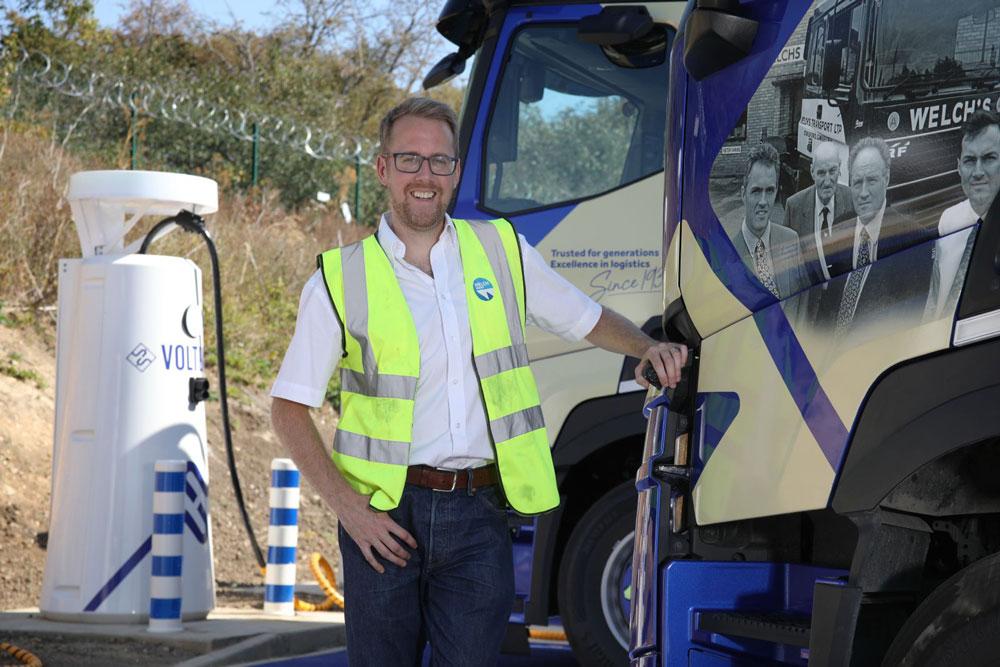
Ylva Haglund, head of sustainability and communications at the Scottish Wholesale Association, said: “Joining the EV Discovery Programme offered both companies an opportunity to accelerate their journey towards net zero by testing eHGVs in real-world operations, while gaining practical insights into electric vehicles in fleet operations.
“The wholesale sector has understandable reasons to be cautious about electrification – tight schedules, thin margins, and no room for deliveries to fail.
“What this trial shows is that those concerns and the reality of electric HGVs are starting to diverge. That should give wholesalers confidence to begin their own transition.”