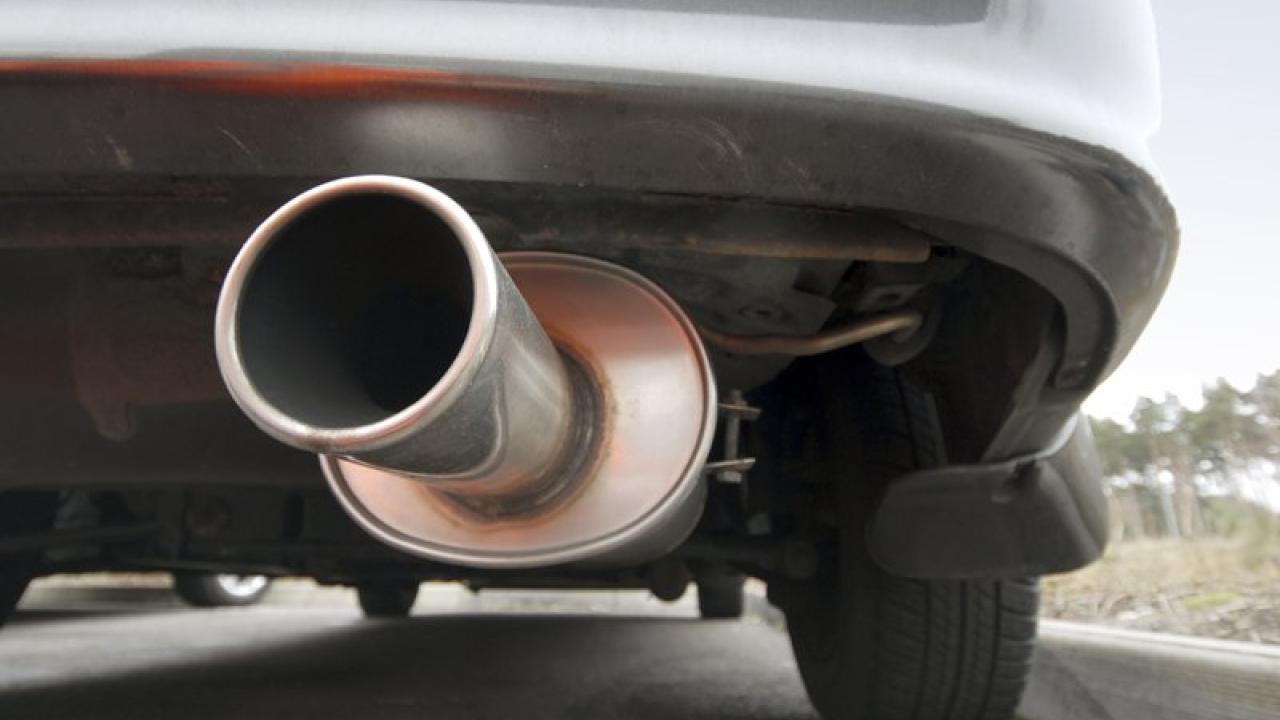
Metal particles from the abrasion of brake pads may cause poor respiratory health, similar to the effects from diesel exhaust fumes.
A team of scientists, led by King’s College, found that metal particles from the abrasion of brake pads can cause inflammation and reduce the ability of immune cells to kill bacteria.
In the study, published in the journal Metallomics, researchers obtained dust from a brake pad testing factory that tests a broad range of drum brakes from a mixture of buses and trucks currently used in Europe under conditions representative of urban driving and high-speed braking. To test its effect on immune cells, they grew macrophages in the lab, which are a type of immune cell that is on the front line of our defences in the lungs and kills bacteria by engulfing and digesting them.
When they exposed the macrophages to particulates from diesel exhaust and brake dust respectively, both reduced the ability of the macrophages to take up and destroy bacteria. They were tested with Staphylococcus aureus, a common infection in the lungs.
By adding metal chelators, chemicals that can bind to metal ions, stopping them from reacting and causing damage, they prevented the negative effects on immune cells. This suggested that the metal content of the particulate dust was causing ill effects. The particulates from both sources also caused the macrophages to produce immune signalling molecules which drive inflammation.
Both brake dust and diesel exhaust had similar effects on the immune cells, as the diesel exhaust lacked the iron and copper common in brake dust, which is known to generate reactive oxygen species (ROS) in the body. ROS are chemicals which can cause damage to cells on entering the lungs in the body.
There were many other metal particles they had in common (such as arsenic, tin and antimony), but the researchers concluded the biggest culprit was most likely to be vanadium, as it was the only metal that was taken up by the cells increasingly as the dose of brake dust and diesel exhaust particulate matter increased.
Dr Ian Mudway, Senior Lecturer School of Population Health & Environmental Sciences who led the research, said: “At this time the focus on diesel exhaust emissions is completely justified by the scientific literature, but we should not forget, or discount, the importance of other components, such as metals from mechanical abrasion, especially from brakes. There is no such thing as a zero-emission vehicle, and as regulations to reduced exhaust emissions kick in, the contribution from these sources are likely to become more significant.”