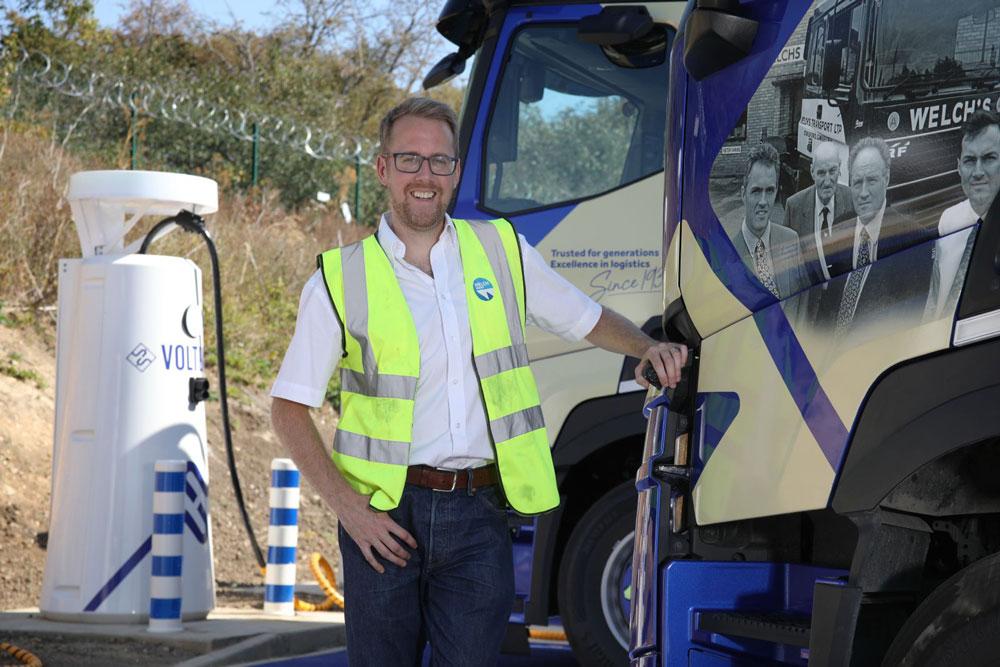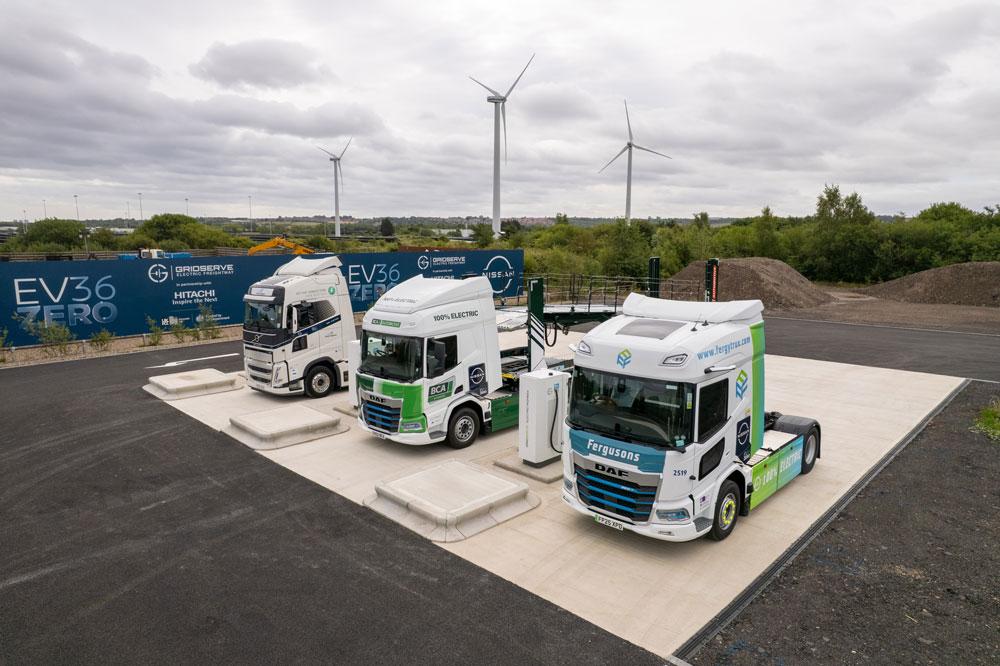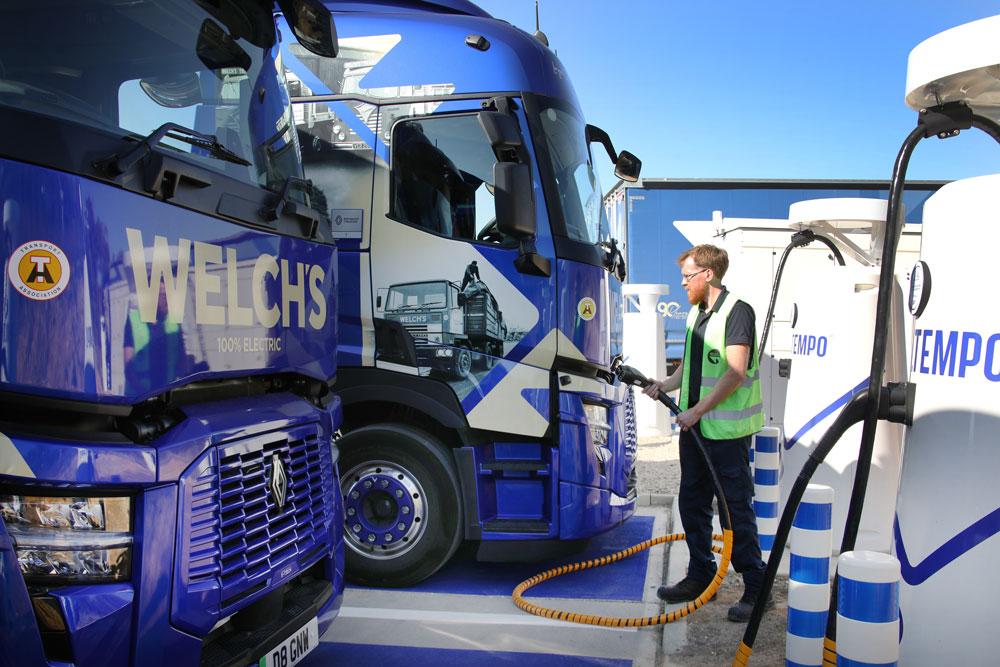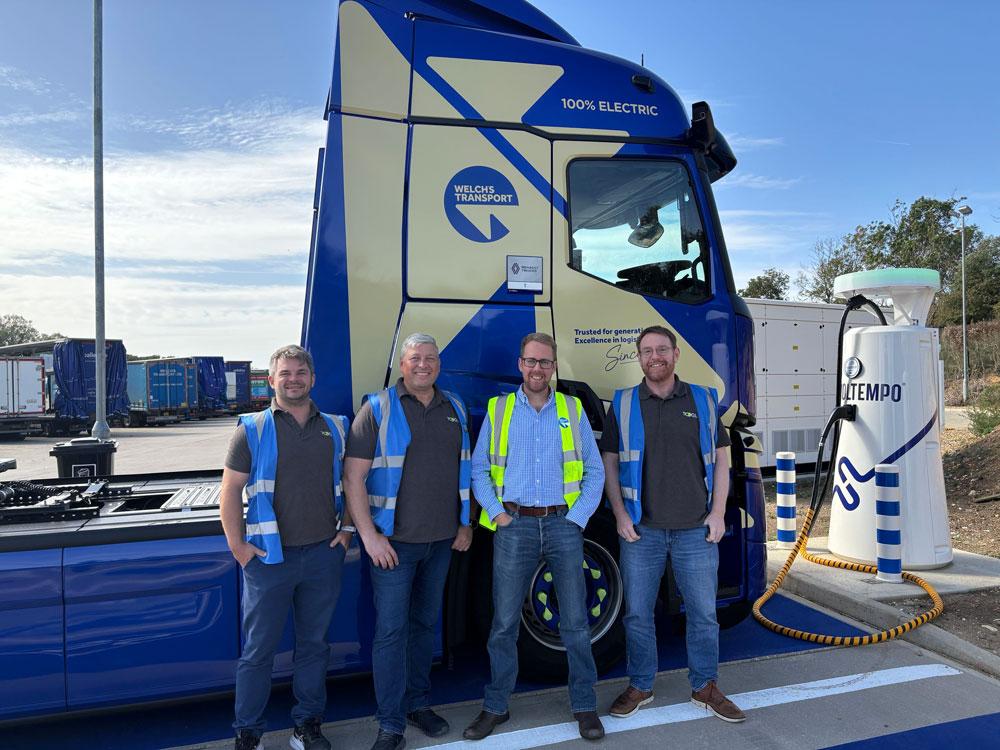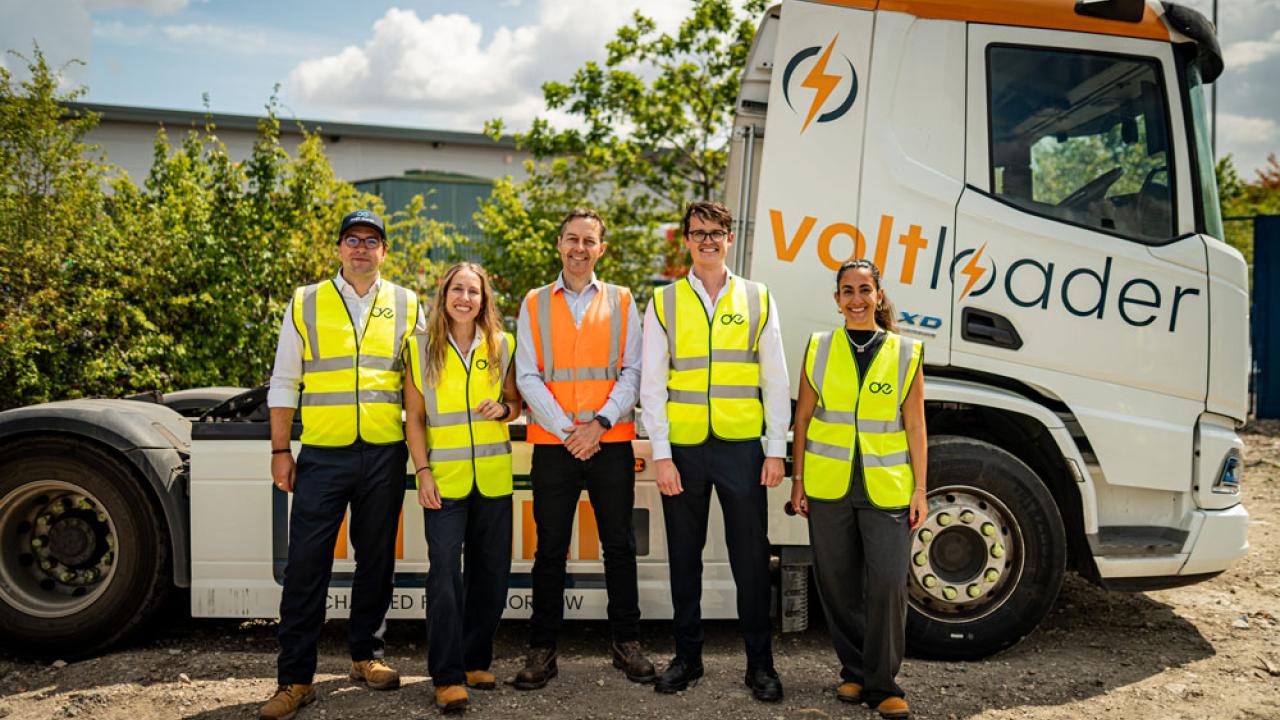
Voltloader has partnered with Aegis Energy to add its multi-energy hubs for commercial vehicles to Voltloader’s existing national network of eHGV chargers, primarily located at customer depots and destinations.
The partnership is designed to make critical, on-demand infrastructure available to hauliers at origin, destination, and en route.
As the UK’s leading provider of electric haulage, charging network services and site infrastructure, Voltloader helps operators to decarbonise their operations by enabling the switch to cleaner, greener commercial transport. The company’s electric vehicle fleet can work alongside existing operations, while its charging network is designed around real-world logistics requirements, including depot, customer and partner sites.
Expanding its growing national charging network will further improve access to essential and reliable infrastructure for hauliers, offering fair pricing to Voltloader’s customers, providing more locations to charge their eHGVs and reducing perceived barriers to low carbon logistics.
John Whybrow, CTO at Voltloader, commented: “The transition to electrification is reliant on having the correct infrastructure in place to allow drivers to charge easily and effectively, where it makes most sense operationally. Partnering with Aegis Energy will add additional sites to our already comprehensive national network of high-capacity on-demand charging solutions.
“The agreement comes as part of our wider efforts to accelerate the adoption of electric HGVs, support the roll-out of low-carbon transport solutions and, ultimately, move the needle towards decarbonised road freight on a truly national scale. This is a critical step forward for the sector.”
Edmund Robins, Founder and Executive Director of Aegis Energy, said: “We are proud to announce this collaboration, which is designed to create a full value chain solution for fleets and hauliers looking to decarbonise. Together with Voltloader, we are removing the two key barriers to electrification, vehicle availability and charging access, by rolling out both as one package.
“These forms of initiatives are vital if we are to facilitate the transition at the pace the environment, and the market, is demanding.”