Confidence among battery-electric vehicle drivers about completing longer journeys has declined, according to new Department for Transport research.
The DfT’s second annual EV Driver Behaviours and Attitudes Tracker found that 58% of battery-electric vehicle drivers felt confident taking longer trips, down from 64% in the previous survey.
Summarising the result, the DfT report states: “Confidence in making long distance journeys by BEV decreased to 58% in Year 2.”
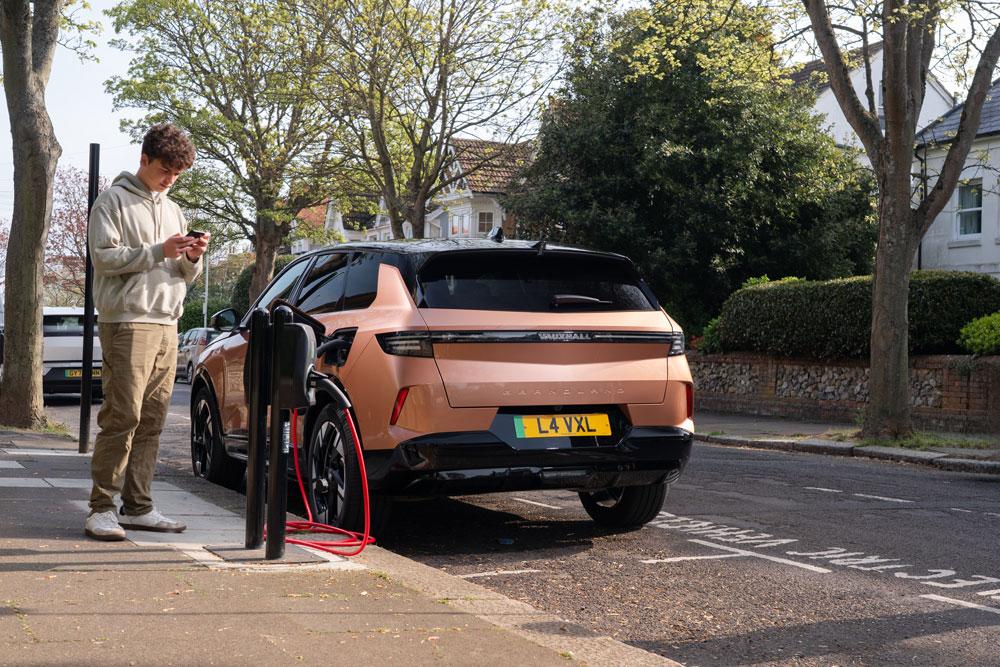
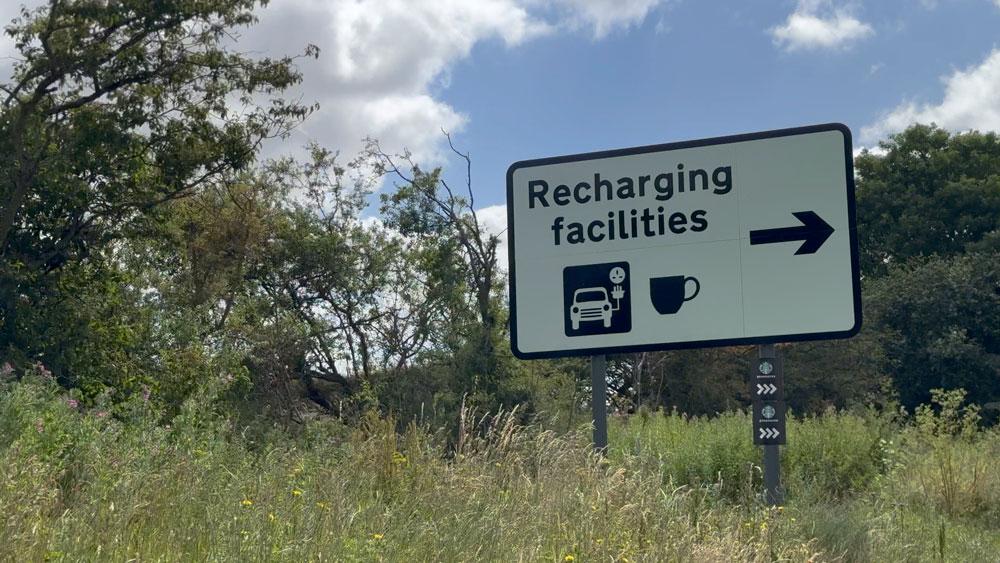
Concerns about Britain’s public charging network appear to be contributing to the decline. Although 59% of respondents said public charge points were easy to locate, 47% did not believe there were enough to meet demand.
Pricing and reliability also remain significant sources of frustration. More than half of drivers—56%—agreed that the cost of public charging was “unclear and confusing”, while 50% believed that too many charge points were “out of service or difficult to use”.
Satisfaction varied according to location. Just over half of battery-electric vehicle drivers were satisfied with charging provision in their local area, while 57% were satisfied with availability at motorway service stations. The figure fell to 48% for major A-roads in England.
Drivers living in rural areas were less satisfied than their urban counterparts. Only 44% of rural respondents were happy with local charging provision, compared with 53% of those in urban locations.
Access to home charging also had a marked effect on confidence. Some 60% of drivers with a home-charging option felt confident making longer journeys, compared with 46% of those unable to charge at home.
When asked how the public network should improve, drivers’ leading demand was lower prices, identified by 51% of respondents. Faster charging was requested by 42%, followed by improved reliability at 26%.
Despite these concerns, most owners remained positive about electric motoring. The study found that 76% intended to choose another electric vehicle for their next car or van. However, the proportion willing to recommend a battery-electric vehicle fell from 88% to 82%.
The research was undertaken by Ipsos for the Department for Transport using a representative sample of UK battery-electric and plug-in hybrid drivers.