Thatcham Research has launched a new blueprint aiming to prevent a growing number of electric vehicles from being unnecessarily written off each year.
The EV Blueprint establishes eight critical requirements for the automotive industry, designed to ensure battery electric vehicles can be safely assessed, efficiently repaired and economically maintained throughout their lifecycle.
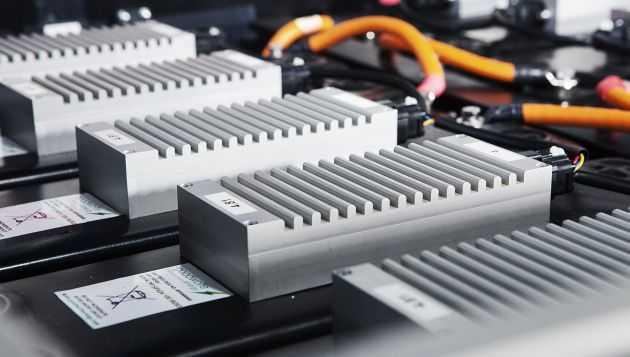
A recent Thatcham Research survey, conducted in partnership with the Centre for Economics and Business Research (CEBR), reveals that battery-related issues remain the primary concern for 44.6% of insurers and 41.7% of repair professionals. With batteries accounting for up to 40% of a vehicle's total value, even minor collision damage can result in total loss determinations, particularly as vehicles depreciate over time.
The EV Blueprint shows that instead of replacing a battery, it could be economically repaired – keeping EVs over three years old on the road and out of the scrapyard.
The EV Blueprint outlines eight essential recommendations:
1. Resettable emergency safety loop
Emergency safety systems must be designed to be resettable without permanent damage or extensive component replacement, similar to fuel cut-off switches in conventional vehicles.
2. Safe and simplified battery handling
Battery removal and reinstatement processes must be straightforward, avoiding complex procedures or specialised subscription-based tools that create barriers to efficient repairs.
3. Vehicle damage assessment guidelines
Clear, accessible methodologies for assessing battery damage after accidents must be available to all stakeholders, including independent repairers and insurers, to prevent unnecessary total loss determinations.
4. Accessible diagnostics
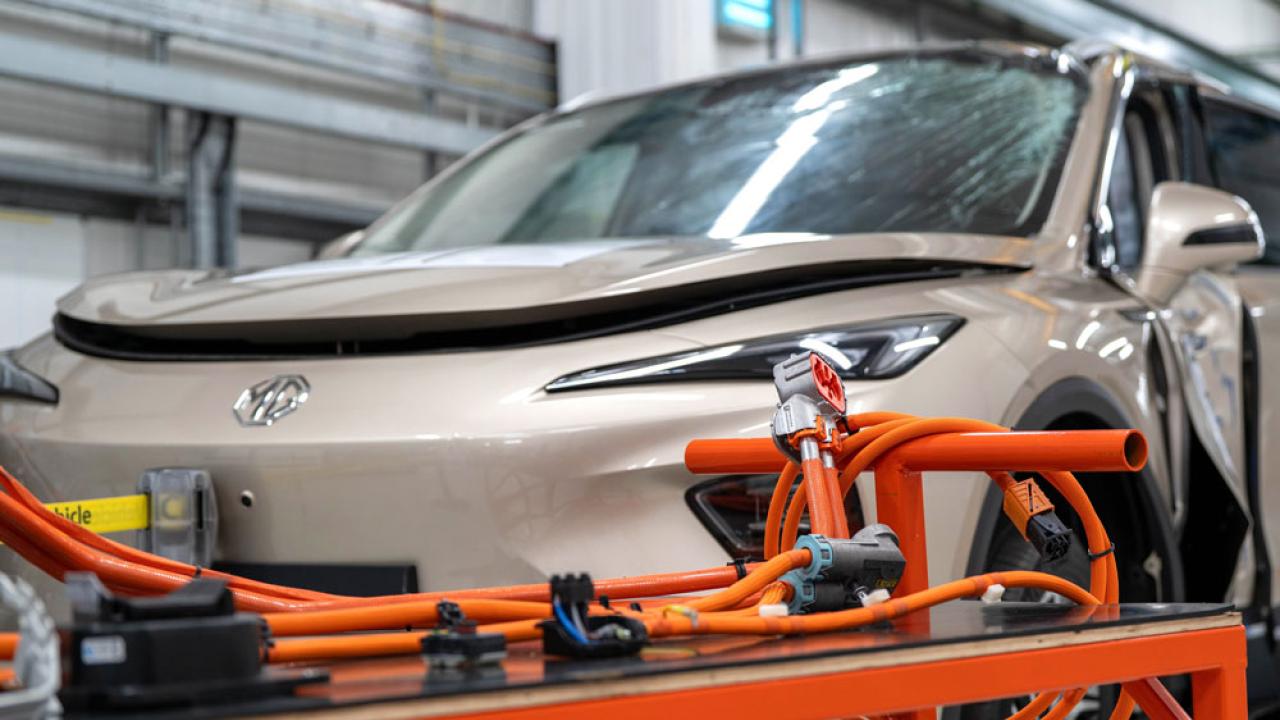
High-voltage system diagnostics should be standardised and accessible through widely available equipment, comparable to current On-Board Diagnostics systems for conventional vehicles, rather than requiring expensive proprietary tools.
5. Battery damage protection against impacts
Robust under-shields and protective designs are essential to safeguard batteries from underbody impacts and side collisions, with replaceable protective components available at reasonable costs.
6. HV battery repair strategies
Established repair methods for battery casings and mounting brackets must allow completion without removing or disassembling entire battery packs, with pyrotechnic fuses designed for easy reset or replacement.
7. Serviceability of HV batteries
Batteries must be designed for safe disassembly, using modular construction with removable fasteners rather than permanent adhesives, enabling refurbishment and remanufacturing within the UK.
8. HV system component design
Critical components like charge ports should be positioned in less vulnerable locations and designed as standalone units to minimise repair complexity and costs.
Three foundational principles
Safety: Ensuring protection for everyone who interacts with EVs throughout the vehicle's entire lifecycle, from collision through recovery, assessment and repair
Sustainability: Enabling a comprehensive circular economy for HV batteries through repair, refurbishment and remanufacture
Affordability: Ensuring HV components are accessible and reasonably priced, with total loss avoidance strategies that include new parts, warranted refurbished units and remanufactured options
Dan Harrowell, Principal Engineer, Advanced Technologies Thatcham Research, commented: "How affordable it is to insure these cars largely relies on how well the industry can handle repairs after accidents. As repair shops have become more experienced with electric vehicle technology, the costs of fixing these cars have already decreased by 10.7%.
“To continue making insurance more affordable as more electric vehicles hit the roads, car manufacturers, insurance companies and repairers need to keep collaborating to overcome any remaining challenges. This blueprint provides the roadmap for that collaboration, ensuring we can deliver both the environmental benefits of electrification and the economic sustainability that consumers need."